Skip to main content Scroll Top

Ten years after the EU-Turkey Deal: Standing against agreements with third countries

Joint Press Release

The EU-Turkey Deal of 18 March 2016 has had catastrophic human rights consequences for tens of thousands of people seeking protection. Refugee Support Aegean (RSA) and the German PRO ASYL therefore warn against further attempts to conclude similarly deeply problematic agreements with countries outside the EU in order to deport asylum seekers there.

“The experience with the EU-Turkey Deal should serve as a lesson for the European Commission and the Member States: such deals violate the Geneva Refugee Convention and the European Convention on Human Rights, cause immense suffering for asylum seekers who are entitled to protection in Europe, and do not even work in practice,” said Wiebke Judith, legal policy spokesperson of PRO ASYL. “It is scandalous and in violation of human rights that the European Parliament and the Council of the EU have recently paved the way for deporting asylum seekers to countries with which they have no connection. Any attempts to conclude agreements with third countries in order to get rid of refugees must be rejected.”

“In the ten years of its dead-end ‘safe third country’ policy, Greece has declared unsafe countries as safe for refugees, flouted evidence of abuses, disregarded its own courts, and gotten away with it,” commented Minos Mouzourakis, lawyer and Legal and Advocacy Officer at RSA. “The legacy of the EU-Turkey deal lingers only in human suffering and rule of law breakdown. We must insist that the EU do better, and we will.”

A devastating human rights record – on both sides of the Aegean

The EU-Turkey Deal signed on 18 March 2016 is considered the first attempt by the European Union to deport asylum seekers to a supposedly safe third country outside the EU even before their asylum claims are examined on the merits. Under the agreement, all asylum seekers newly arriving on the Greek islands were to be returned directly to Turkey. In reality, only 2,253 people were deported under the deal, and since March 2020 Turkey has no longer accepted returns.

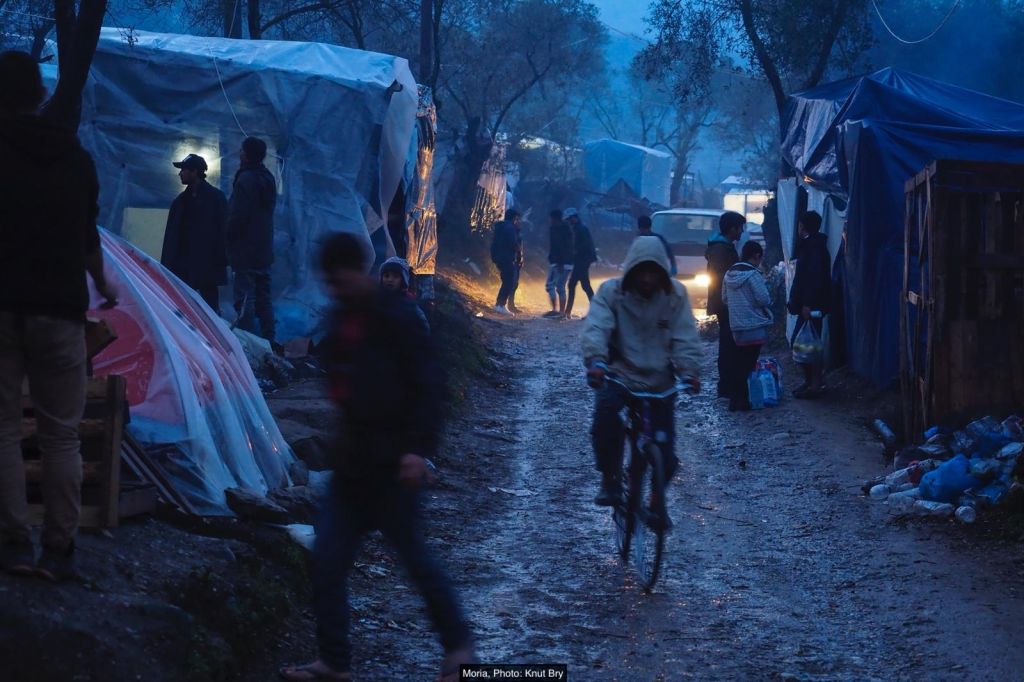
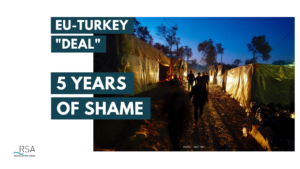
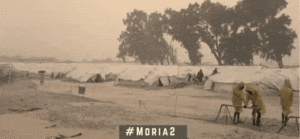
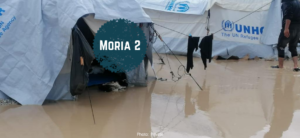
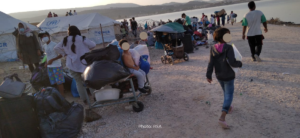
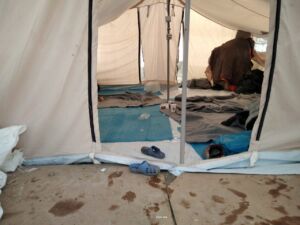
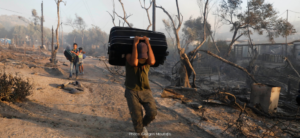
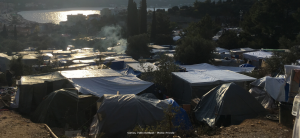
In Greece, the deal resulted in tens of thousands of asylum seekers being trapped for years in dire camp conditions on the Greek islands. The Moria camp on the island of Lesvos became emblematic of this, at times hosting more than 12,000 refugees living in slum-like conditions. Although returns to Turkey had long ceased to be possible, the Greek Asylum Service continued to deny applicants a substantive examination of their claims. Only following a Court of Justice of the European Union (CJEU) ruling in October 2024, secured by RSA lawyers together with lawyers from the Greek Council for Refugees (GCR), has the Greek Asylum Service stopped referring applicants to Turkey and resumed conducting regular asylum procedures.

In exchange for Turkey taking back asylum seekers from the Greek islands, the EU has allocated a total of €12.5 billion to the country since 2011 for the reception and support of refugees. Of this amount, €878 million has been channelled into so-called border and migration management. Acting as a “gatekeeper” for the EU, the Turkish government has used these funds to build a vast detention and deportation system and to seal its external borders with Syria and Iran. Special police units hunt down refugees at mobile checkpoints and detain them en masse. There are frequent reports from overcrowded detention centres of inhumane conditions, ill-treatment, and cases in which refugees are forced to agree to “voluntary” return. Turkey also carries out large-scale deportations to countries such as Syria and Afghanistan.

Background

At the beginning of February 2026, legislative provisions on third country models were tightened with the votes of the European People’s Party and the far right. With the application of the CEAS reform from June 2026, Member States will be able to transfer asylum seekers to countries outside the EU for the purpose of processing their asylum claims, even if they have no connection to those countries. This is also referred to as the “Rwanda model”, in reference to the failed attempt by the UK government to deport asylum seekers to Rwanda. No such agreements with third countries currently exist.

RSA ARCHIVE - 2018

Video on the 2nd anniversary of the EU-Turkey deal

by George Moutafis for RSA and PROASYL

See older publications about the EU-Turkey deal

Related Posts

Subscribe to our Newsletter

* απαιτούμενο
Language

Intuit Mailchimp