
Mr Manuel* is no longer with us
World Refugee Day 2026: In memory of a man who was not recognised as a “person of particular concern”
On the occasion of the World Refugee Day, 20 June, RSA publishes the story of Mr Manuel*, a man who arrived on an Aegean island in 2019 fleeing armed conflict and violence and remained trapped there for more than six years. Recently, he took his own life in the Closed Controlled Access Centre (CCAC) of the island, after his application for international protection had been rejected four times, without his vulnerability ever being meaningfully recognised. RSA, which provided him with legal representation during the last years of his life, speaks today about the person he was and the story of his journey.
CONTENTS
“Mr Manuel*, who fought his own battle for more than six years, struggling both with his personal trauma and with the refusal and scepticism of the asylum authorities, reminds us of the devastating consequences of the experimental policies pursued in Greece following the EU-Turkey Deal and the ‘hotspot model’. This model introduced regimes of exception to established rights and has ever since been systematically applied in Greece, while today it is being exported as a blueprint for the European Pact on Migration and Asylum, which entered into force this June.
His story also serves as a tragic reminder of the impasse reached by an approach that treats refugees not as vulnerable individuals in need of protection, but as people who must be discouraged from seeking protection in Europe, ‘deterred’, or ultimately compelled to abandon their search for protection even when they have nowhere else to go.”
Eleni Velivasaki, RSA lawyer
Note by the Minister of the local catholic church
"Manuel*'s trust was betrayed by the system"
I heard that Manuel* had taken his own life one Sunday morning. African Christians from the camp attend services in our church. Someone from our community had returned to the camp and discovered his body. Manuel* joined the other African Christians we have buried here. These deaths could have been avoided. Those men, women and children who drowned in the sea while making the crossing from Turkey to our island. The quiet young man who survived a shipwreck, only to be attacked and stabbed to death as violence worsened with overcrowding in the camp. A baby in distress who was prevented from receiving prompt medical attention on the beach where his family had landed. Men, women and children who faced medical emergencies but could not receive timely help because conditions were too dangerous for doctors to leave their facilities in the camp after dark. These deaths were by no means inevitable, and I refuse to believe that Manuel*’s death could not have been prevented.
There is no doubt in my mind that Manuel*’s suffering in his own country and Turkey was extreme. He witnessed the violent death of loved ones, and was forced to flee for his life, leaving his wife and children behind. He met with exceptional abuse in Turkey before making the hazardous journey across to Greece. He had already suffered deep trauma and faced mental health issues.
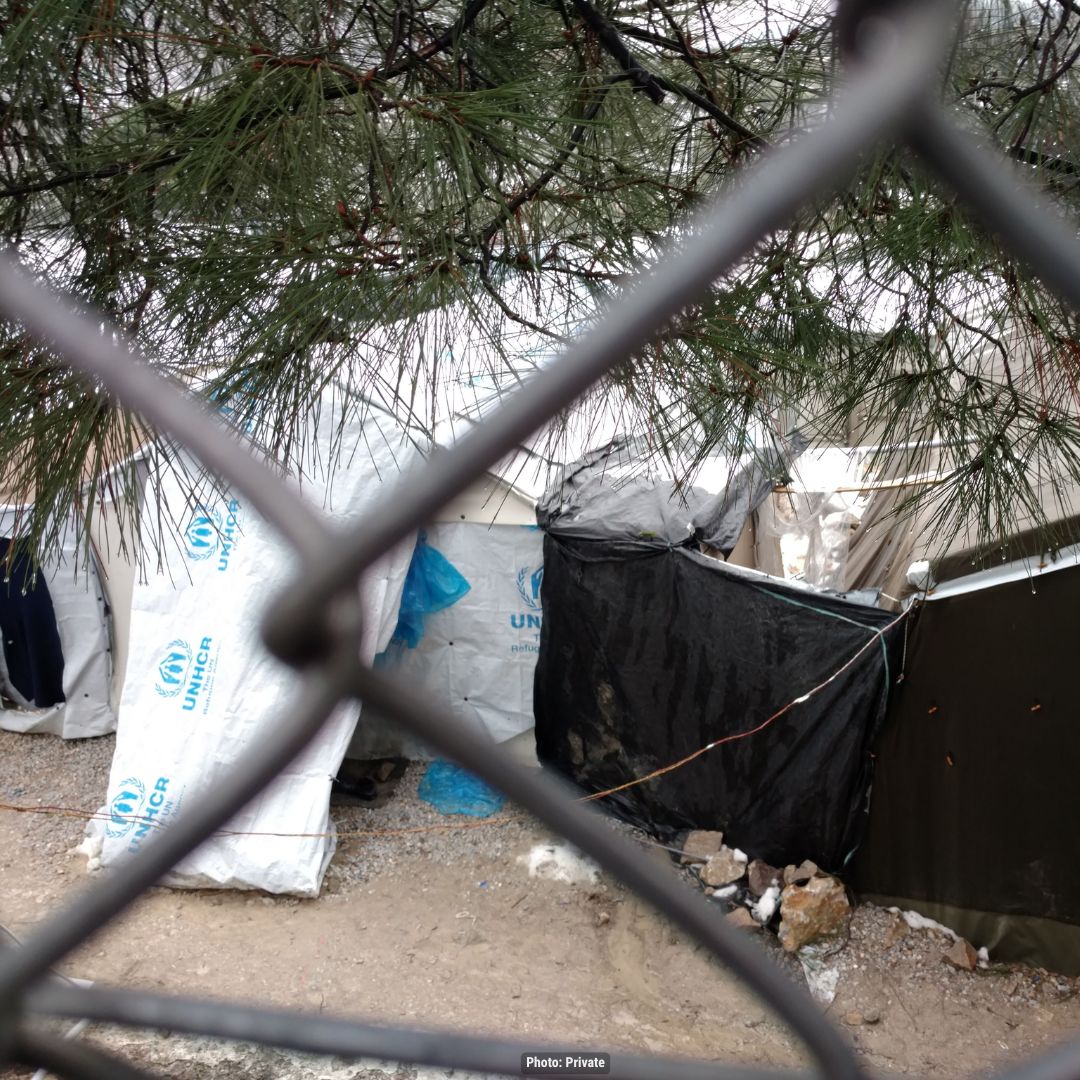
I ask myself why someone who fled danger and violence in search of safety would be placed in a situation of further vulnerability where his mental health could only deteriorate further. When Manuel* arrived in Greece he faced squalor, violence, fear and extremely difficult conditions in the chaos of the first jungle-like camp in which he was ‘housed’. He spent years there. The stress of living conditions added to the stress of uncertainty about the future. An uncertain future would continue to deeply trouble him as he spent his last years in a second, newer prison-like camp, where he faced increasing isolation and loneliness.
I also ask myself why someone who was already so troubled should be expected by the asylum service to provide a clear and coherent account of what had happened to him in order to justify his application; why so little allowance appears to have been made for his condition; and why his application was repeatedly rejected.
Manuel* was a man of faith, and he would often quote the words of his favourite psalm to others, but as time passed he no longer felt able to attend services regularly. I was told by those who knew him better that when he did attend church and come into town, he had to overcome the fear he had of leaving the safety of his container. Attending church was one of the few things that brought him out of his container, out of isolation. He kept himself to himself more and more over the years.
Manuel* was right to place his trust in those individuals who did their best to look after him – whether psychologist, lawyer, social worker, member of his church, member of the community or friend. But when he chose to travel to a European country, did he not also place trust in the collective values of our society, those values that respect human life and dignity, and call on us to protect the vulnerable, to heal those who have been damaged? This trust was betrayed by a system that seems to attach increasing importance to deterrence rather than acceptance, to favour cold indifference over compassion, and that increasingly appears to prefer punishment to healing.
If there is something that gives me hope in the desperate circumstances of his death, it is the love and resilience of those who gathered around him in life and death, the quiet dignity of his brother, who made the long and expensive journey to see his body, and who both supported and was supported by a community in shock after his death.
It falls to us now to continue to remind others of our responsibilities to our fellow human beings. Few of us actually draft legislation, pass laws, or enact policies that fail people like Manuel*, but let us never cease to question them.
Manuel's case*
Introduction
info
Since March 2016 and the implementation of the EU-Turkey Deal, thousands of people have been trapped on Eastern Aegean islands. The implementation of the Joint “Statement” ushered in a period of experimental asylum policies, both in Greece and across Europe.
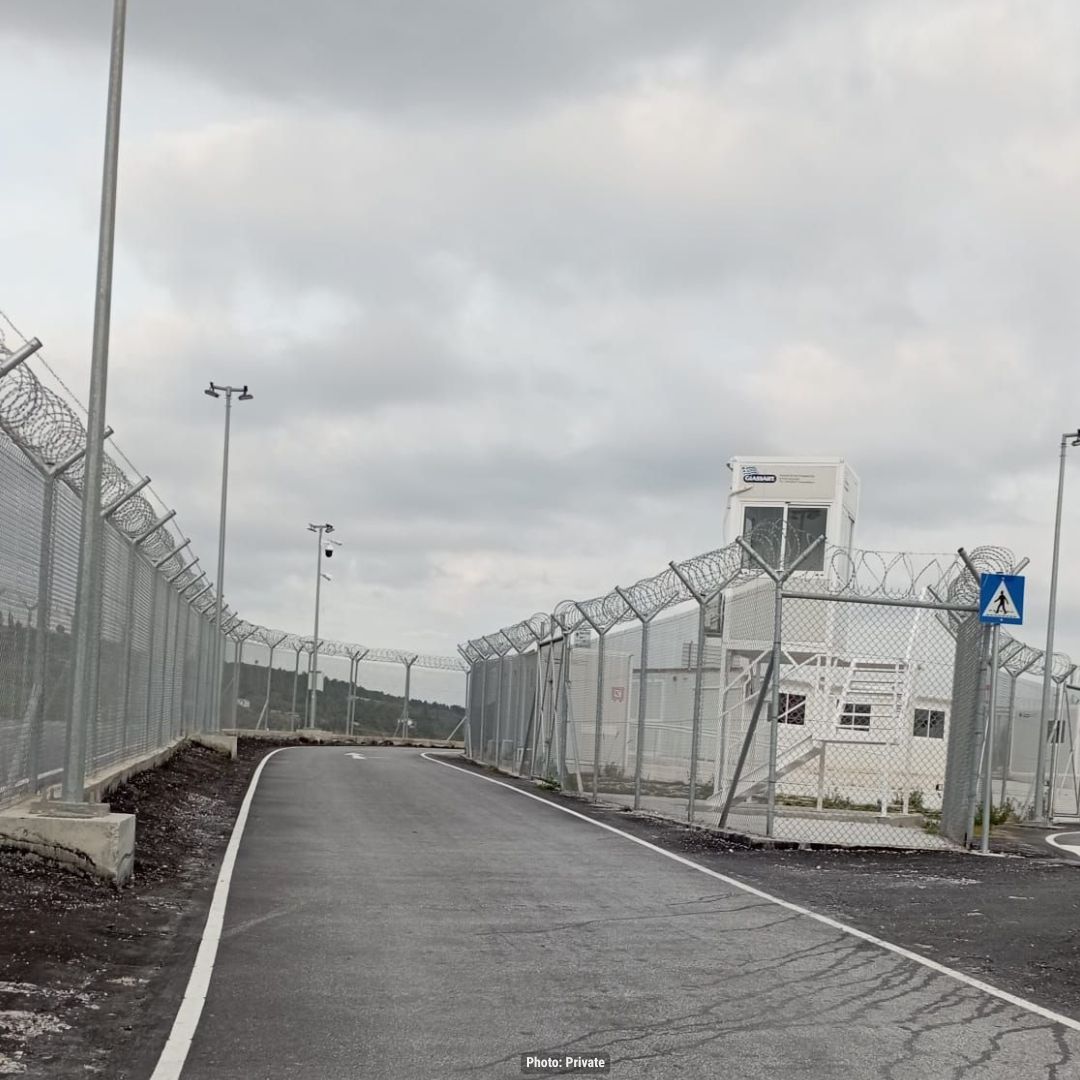
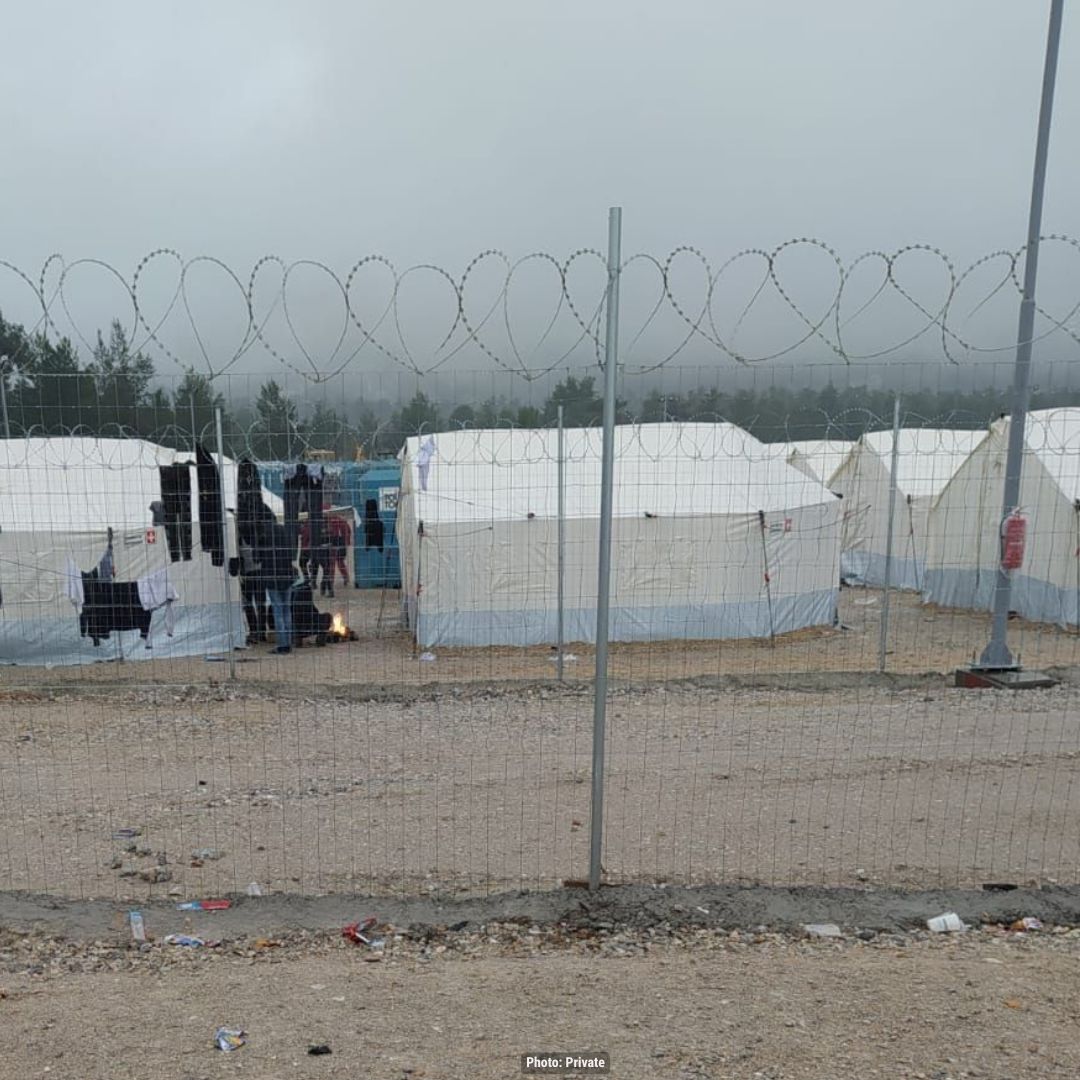
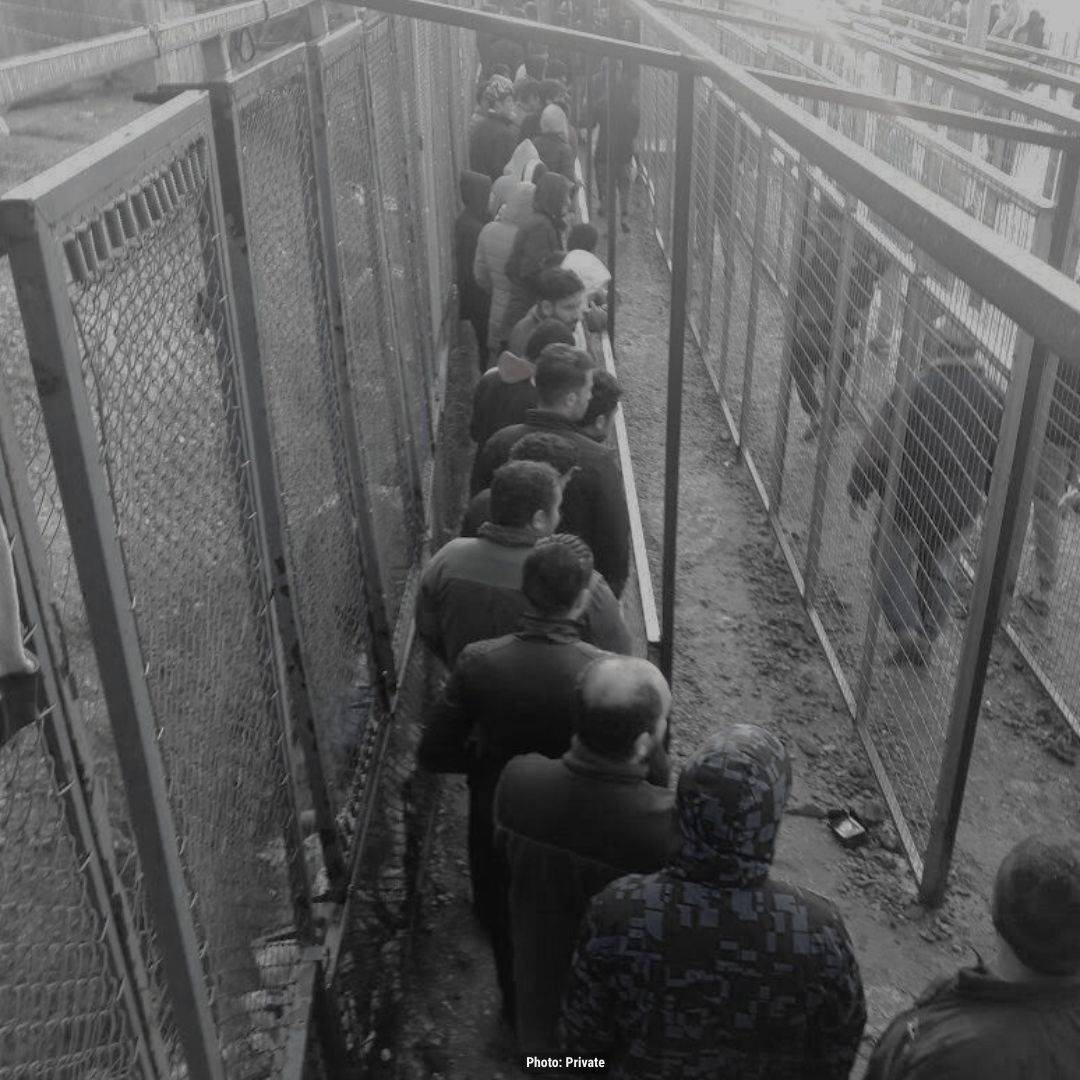
The application of the “safe third country” concept with the aim of enabling swift removals to Turkey; the lack of safeguards in asylum and reception procedures; the en mass and automatic deprivation of liberty of newly arrived people seeking protection in a new model of reception facilities (the so-called “hotspots”); and the imposition of the geographical restriction measure, which resulted in the prolonged confinement of refugees on small Eastern Aegean islands in large-scale camps lacking basic standards of hygiene and dignified living conditions, regardless of their needs or vulnerabilities, marked the beginning of a period of experiments in European migration policy.
This model of confinement and social exclusion created de facto places of exile that not only led to systematic violations of fundamental rights but also caused the re-traumatisation and re-victimisation of refugees. At the same time, it prevented the recovery and rehabilitation of people in need of protection who required specialised support and therapeutic interventions, as well as particular care in light of their mental health conditions.
The lack of adequate mental health facilities and services in Greece has contributed dramatically to the prolonged entrapment and further psychological suffering of these people, exposing them to new forms of violence, risk and marginalisation.
Recently, a man took his own life in a Closed Controlled Access Centre (CCAC) of an East Aegean island. Mr Manuel*, whose legal representation had been undertaken by RSA lawyers, is no longer with us. Today, on World Refugee Day, we have decided to speak about him and his story.
In memory of Mr Manuel*, a refugee in Greece
Mr Manuel* experienced the shortcomings, harshness and scepticism of a system institutionally intended, among other things, to ensure protection for those in need. Today, he is no longer among us.
Mr Manuel* arrived on an Aegean island by boat in 2019, together with other refugees. He sought protection and remained on the island ever since.
Mr Manuel* came from a region that continues to be plagued by armed conflict and war crimes against civilians. He witnessed severe violence and the brutal murder of his parents by armed members of a rival tribe. He barely managed to escape and save his own life. Although he initially sought refuge elsewhere in his country together with his wife and children, it proved impossible to hide from those persecuting him. As his life remained at risk, he was forced to flee his country and travel to Turkey. There, he lived in precarious conditions and was also subjected to serious violence.
He arrived in Greece in a severely distressed psychological state. During the reception and identification procedure, his vulnerability was not identified. Nor was his mental health condition taken into account during the initial examination of his asylum application. Although, during his asylum interview, which took place one year after his application had been registered, he stated from the outset that he was not well, that he had been beaten, tortured and robbed in Turkey, that they had his teeth broken and that he had witnessed horrific and unspeakable crimes committed against his parents, the officer of the European Asylum Support Office who conducted the interview found no “elements leading to the conclusion that the applicant is in need of special procedural guarantees” and concluded that “no indications of vulnerability arose in his case”.
Mr Manuel* subsequently saw his asylum application rejected as unfounded on four separate occasions.
His initial application was rejected at both first and second instance on identical grounds. As regards refugee status, both the Regional Asylum Office and the Appeals Committee accepted that, owing to the security situation in the province where he had lived, he had a well-founded and justified fear of persecution, as required under the 1951 Geneva Convention relating to the Status of Refugees. However, they concluded that this fear was not linked to any of the five grounds exhaustively listed in Article 1A(2) of the Convention, namely race, religion, nationality, membership of a particular social group, or political opinion, despite the fact that his family had been exterminated by members of a rival tribe and that he had personally witnessed the tribal violence in question.
They further found that, although he met the criteria for subsidiary protection due to the serious and individual threat to his life or physical integrity arising from indiscriminate violence, relocation to his country’s capital would be both feasible and reasonable. Both the Appeals Committee and the Regional Asylum Office considered him to be a young, healthy and able-bodied man of working age who could relocate to the capital and, on that basis, rejected his application.
While his initial asylum application was being examined at first and second instance, Mr Manuel* learned of the death of his wife and children, and his health deteriorated dramatically. He was urgently admitted to the psychiatric clinic of the local General Hospital on two occasions. His second hospitalisation took place just a few days before the examination of his appeal, yet the Appeals Committee was not informed of either his hospitalisation or his deteriorating medical condition.
The subsequent application he later submitted was once again rejected by the Regional Asylum Office, despite the fact that a request for an assessment of his vulnerability had been lodged with the Reception and Identification Service and the relevant procedure was still pending.
Moreover, his subsequent recognition by the then competent National Public Health Organization (NPHO/EODY) unit at the Reception and Identification Centre as a person falling within the category of “victims of torture, rape or other serious forms of psychological, physical or sexual violence”, together with the submission of a series of medical documents attesting to his extremely fragile mental health condition, including a diagnosis of depressive disorder accompanied by suicidal ideation, was not considered by the Committee examining his subsequent appeal to constitute material evidence capable of altering its assessment regarding the reasonableness of his relocation. Nor did the Committee take into account the recent murder of his wife and children. Instead, it repeated that Mr Manuel* was a “young, able-bodied man of working age”, adding that he was “not a person of particular concern”.
Fortunately, this series of flawed assessments by the Greek administration was interrupted in the summer of 2025 by the Athens Administrative Court of First Instance, before which we challenged the latest negative decision of the Appeals Committee, reminding the administrative authorities of their obligation to provide adequate reasoning for their decisions.
The Court upheld the application for annulment and found that the Appeals Committee’s decision lacked sufficient legal reasoning, as it had rejected Mr Manuel*’s application without taking into account his recognition as a vulnerable person and a victim of violence. The Court held that the decision failed to specify “the reasons why the documents submitted by the applicant and the findings arising therefrom (a psychiatric condition requiring continuous psychiatric monitoring and medication), although characterised by the Committee as new evidence, were not considered material, namely capable of influencing the assessment of the application for international protection”.
The case was referred back to the Appeals Committee for a fresh assessment, more than six years after the submission of his initial application.
At the end, his lawyer appeared before the Committee to announce that he had died by suicide just four days earlier. There was no longer any need for Mr Manuel* to prove that he was “a person of particular concern”.
Mr Manuel* lived on an Aegean island for more than six years, for most of the time without documentation and without access to basic rights, struggling with his personal trauma while at the same time trying to convince the authorities of the indelible scars left on him by psychological and physical violence.
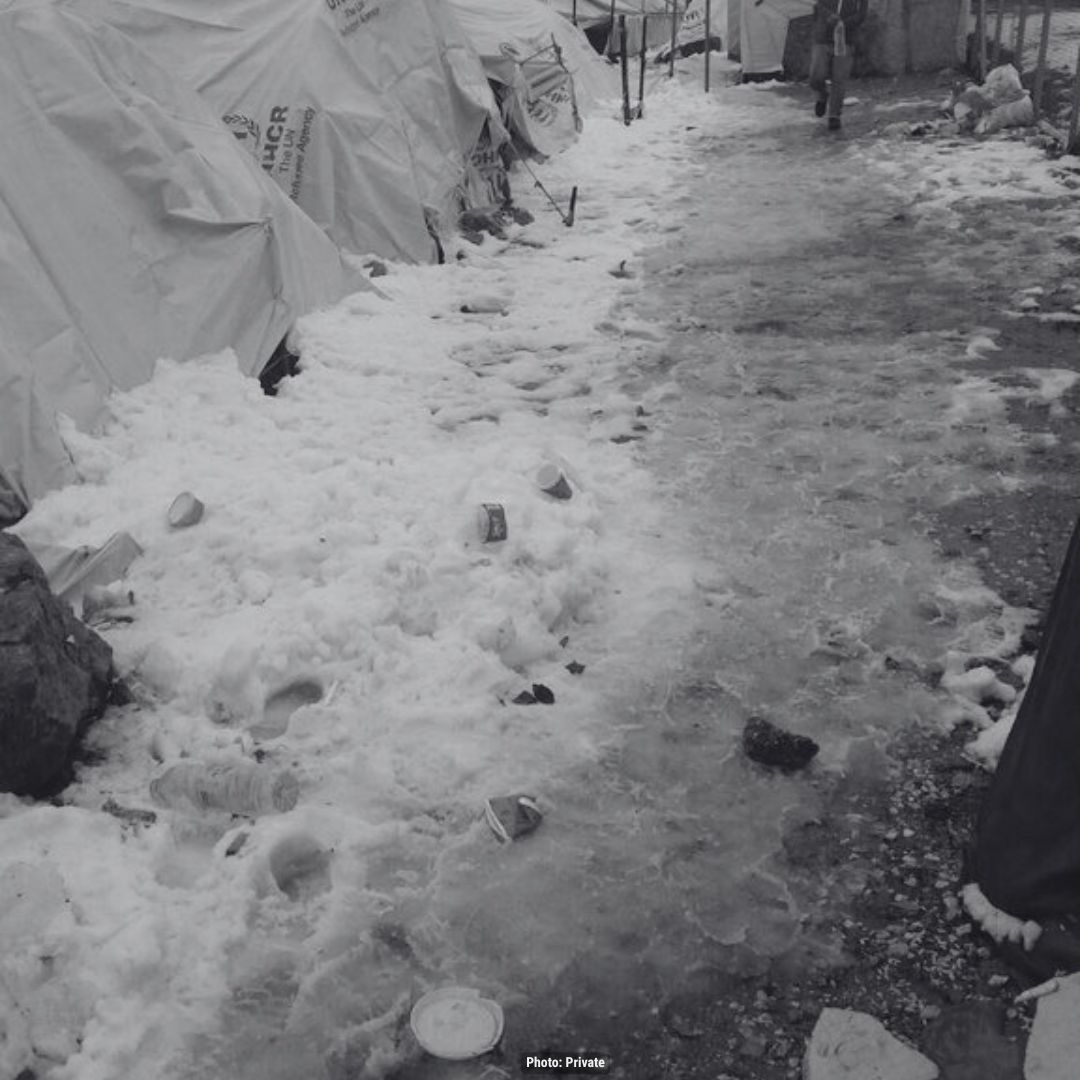
Mr Manuel*’s suicide is a dramatic call: behind inhumane migration management policies, places of confinement and administrative decisions that overlook the responsibility to protect, there are human beings with real stories of loss, violence, suffering and displacement. Therefore, it constitutes a stark reminder that refugee law is not about abstract categories or numbers, but about people whose dignity and rights must remain at the centre of every administrative and judicial decision.
Rest in peace, Mr Manuel*.
*The person's name has been changed to protect privacy. This anonymised version of the text is published with the consent of a family member.


