
Condemning Frontex findings on the responsibility of the Greek authorities for the deadly shipwreck off Lesvos in April 2025
Οι επικίνδυνοι ελιγμοί του Λιμενικού Σώματος έθεσαν σε κίνδυνο ζωές προσφύγων. Συστηματικές οι παραβιάσεις σε επιχειρήσεις αποτροπής.
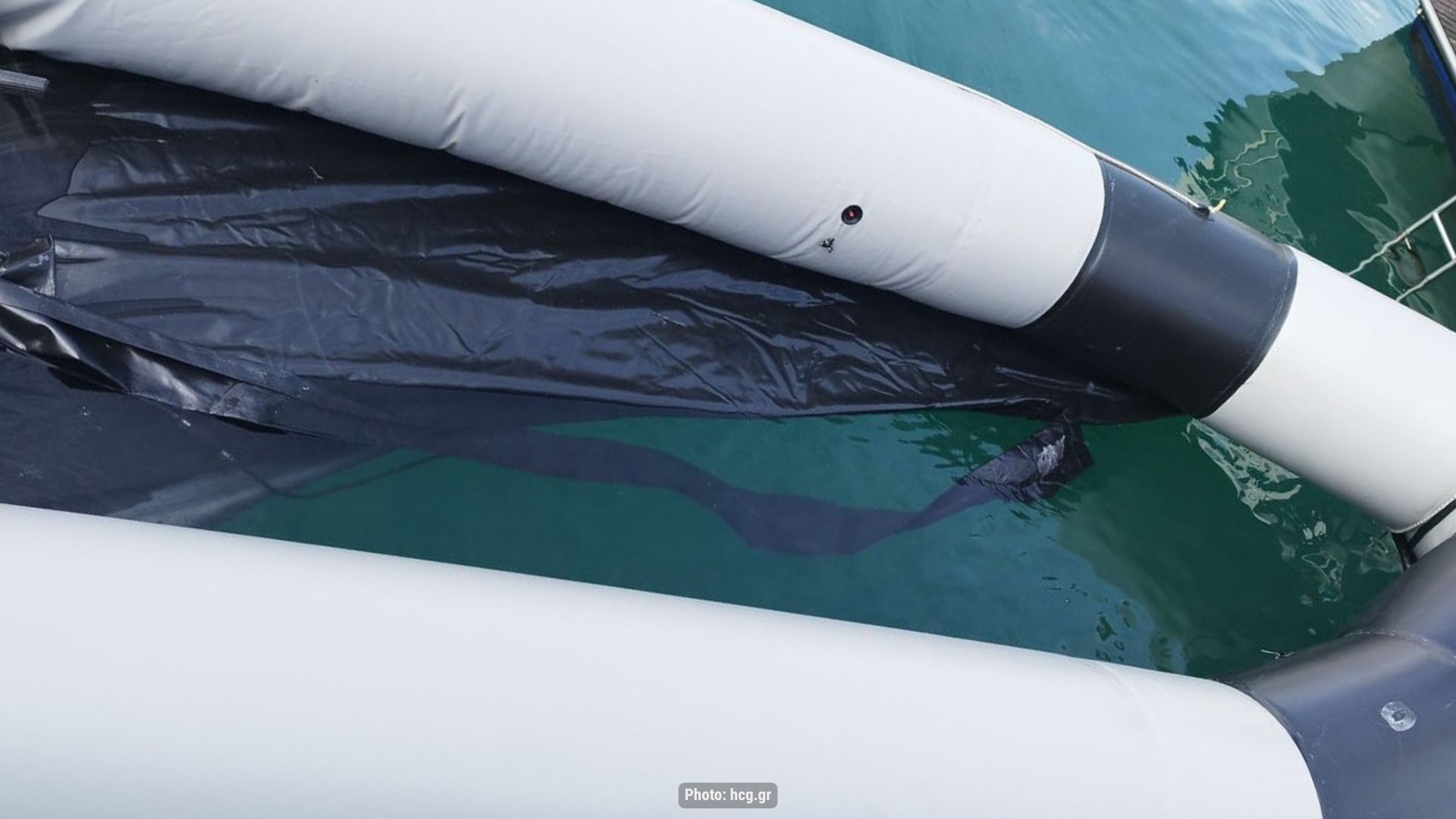
Το Πόρισμα της Έρευνας του Γραφείου Θεμελιωδών Δικαιωμάτων του Ευρωπαϊκού Οργανισμού Συνοριοφυλακής και Ακτοφυλακής (Frontex) για το πολύνεκρο ναυάγιο της 3ης Απριλίου 2025 στη Λέσβο, που εκδόθηκε στις 21 Απριλίου 2026 και απεστάλη, κατόπιν αιτήσεως, στις συνηγόρους των θυμάτων, καταλήγει στο συμπέρασμα ότι οι επικίνδυνοι ελιγμοί που πραγματοποίησε το Ελληνικό Λιμενικό Σώμα έθεσαν προφανώς σε κίνδυνο τη ζωή των προσφύγων/ισσών που επέβαιναν σε πνευστή βάρκα, παραβιάζοντας έτσι το δικαίωμά τους στη ζωή. Επισημαίνει, επίσης, τη συστηματικότητα των παραβιάσεων αυτών και δη, ότι η Ελληνική Ακτοφυλακή έχει κατηγορηθεί σε διάφορες Εκθέσεις Σοβαρών Περιστατικών (Serious Incident Reports / SIR). Μάλιστα αναφέρει ότι έχει καταγραφεί σε βίντεο ότι πραγματοποιεί ελιγμούς γύρω από σκάφη προσφύγων με σκοπό την αποτροπή τους.
Υπενθυμίζουμε ότι, στις 3 Απριλίου 2025, οκτώ άνθρωποι έχασαν τη ζωή τους σε ναυάγιο που σημειώθηκε όταν βάρκα που μετέφερε πρόσφυγες και πλησίαζε τη Λέσβο εντοπίστηκε από το Ελληνικό Λιμενικό Σώμα, κοντά στην ακτή ανοιχτά της Συκαμνιάς. Σύμφωνα με μαρτυρίες επιζώντων, όταν η βάρκα βρισκόταν κοντά στη Λέσβο, εντός των ελληνικών χωρικών υδάτων, ένα σκάφος του Λιμενικού Σώματος τους πλησίασε. Οι άνθρωποι φώναξαν για βοήθεια, όμως, όπως κατέθεσαν, λιμενικοί με καλυμμένα χαρακτηριστικά τους φώναζαν «Go back Turkey», χρησιμοποιώντας κοντάρια εναντίον τους, ενώ το σκάφος του Λιμενικού άρχισε να κάνει κύκλους γύρω από την πνευστή τους λέμβο, με αποτέλεσμα να δημιουργηθούν μεγάλα κύματα που, σε συνδυασμό με τον κυματισμό της θάλασσας, κλόνισαν βίαια τη βάρκα τους που δεν άντεξε: ο πάτος της αποκολλήθηκε και βρέθηκαν όλοι και όλες στη θάλασσα. Τραγικό αποτέλεσμα: επτά επιβεβαιωμένοι νεκροί/ές και ένα παιδί που μέχρι σήμερα αγνοείται.
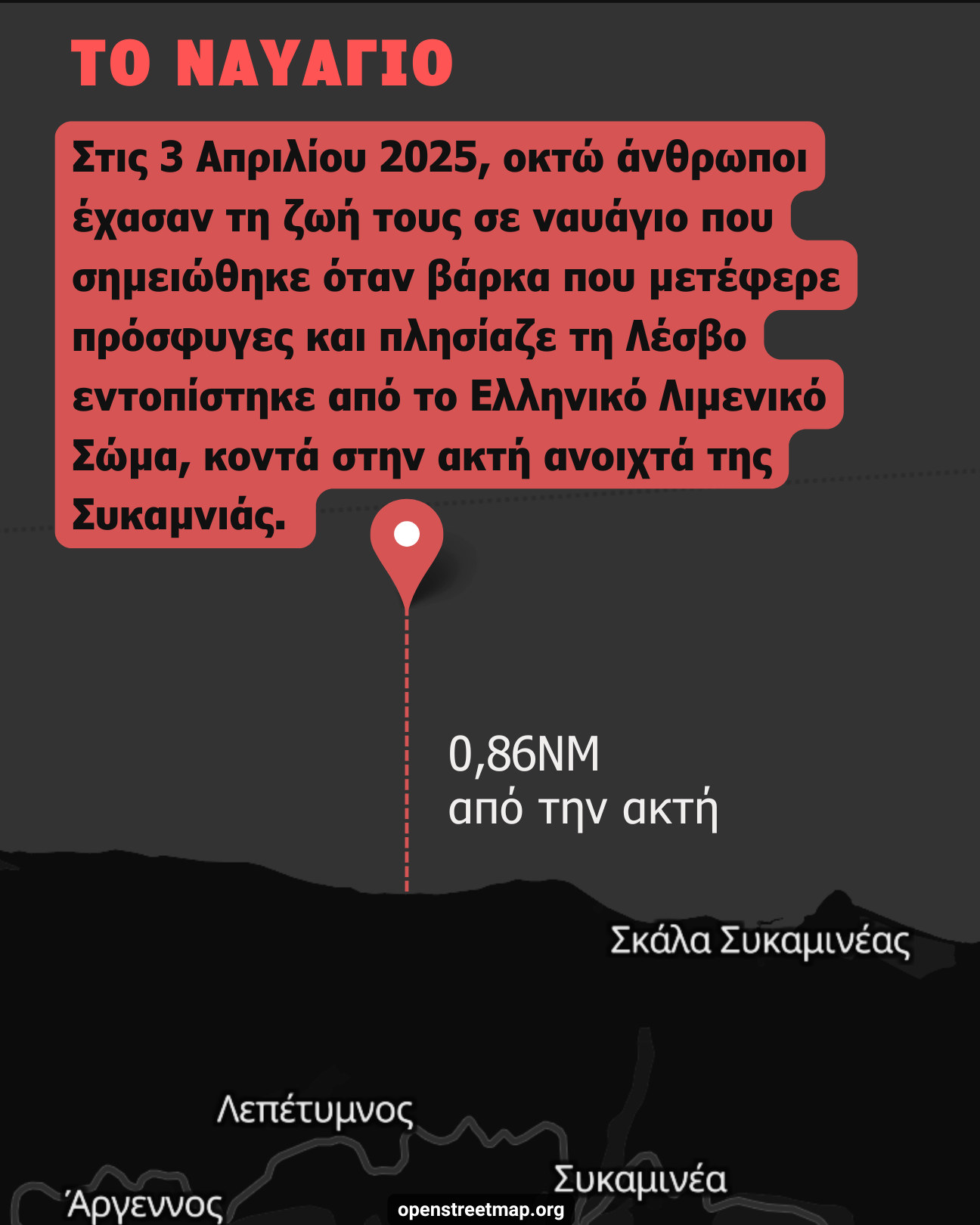
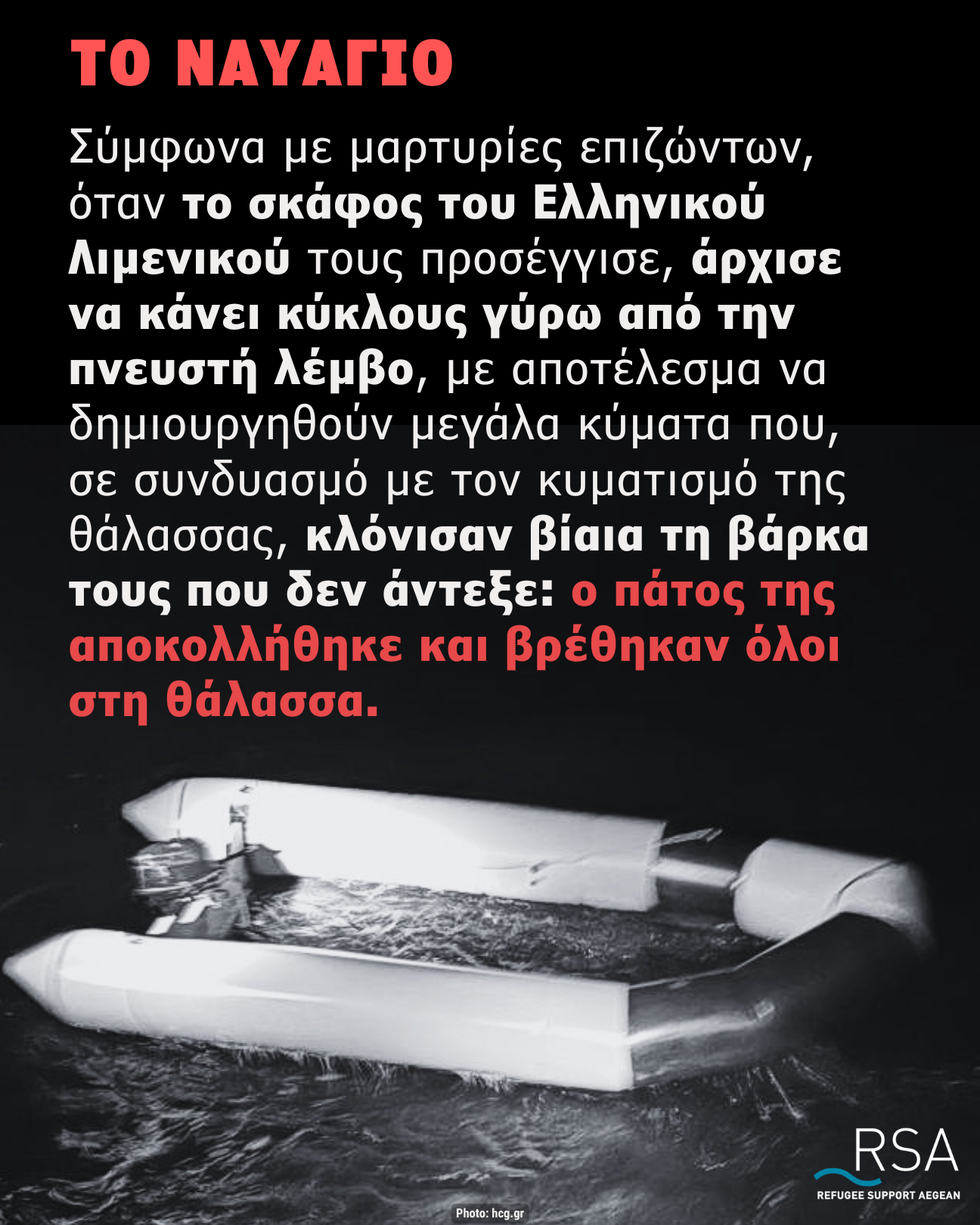
Στις 5 Μαρτίου 2026, σε ένα σημαντικό βήμα προς τη δικαιοσύνη, ο H.M., ένας νεαρός Αφγανός πατέρας και επιζώντας του ναυαγίου, αθωώθηκε από το Τριμελές Εφετείο Κακουργημάτων Βορείου Αιγαίου για τις σοβαρές κατηγορίες εναντίον του σχετικές με το ναυάγιο: παράνομη μεταφορά αλλοδαπών με κίνδυνο για τη ζωή τους και πρόκληση θανάτου, παράνομη είσοδος στη χώρα, πρόκληση ναυαγίου από αμέλεια και πολλαπλές ανθρωποκτονίες από αμέλεια.
Σύμφωνα με τις μαρτυρίες των επιζώντων αλλά και τα στοιχεία της υπόθεσης, στις 3 Απριλίου 2025, αντί για επιχείρηση διάσωσης, το ελληνικό Λιμενικό προχώρησε σε μια επιχείρηση προστασίας των συνόρων παραβιάζοντας, για μια ακόμη φορά, το δικαίωμα στη ζωή των επιβαινόντων. Το λιμενικό σκάφος επιχείρησε επικίνδυνους ελιγμούς, δεν ενημέρωσε επίσημα για την ύπαρξη της προσφυγικής βάρκας και δεν ξεκίνησε άμεσα, ούτε με κατάλληλα μέσα την επιχείρηση έρευνας και διάσωσης, ενώ δεν είχε ούτε επαρκή εξοπλισμό διάσωσης και σωσιβίων. Επιζώντες του ναυαγίου, με τη συνδρομή δικηγόρων των οργανώσεων RSA (Υποστήριξη Προσφύγων στο Αιγαίο) και Legal Centre Lesvos (LCL), κατέθεσαν μήνυση κατά των υπευθύνων του Ελληνικού Λιμενικού Σώματος για επικίνδυνους ελιγμούς και για παραβιάσεις της υποχρέωσης διάσωσής τους μετά τον εντοπισμό της βάρκας από το ελληνικό λιμενικό.
Καμία, ωστόσο, ενημέρωση δεν υπάρχει έως σήμερα ως προς τη λογοδοσία των υπευθύνων για τις παραβιάσεις αυτές και τους θανάτους.
Το συγκεκριμένο Πόρισμα της Έρευνας του Γραφείου Θεμελιωδών Δικαιωμάτων του Frontex είναι η πρώτη έρευνα που δημοσιοποιείται και επιβεβαιώνει τις αιτιάσεις της μήνυσης των επιζώντων για τις ευθύνες της λιμενικής αρχής και συγκεκριμένα, για εγκληματικές πράξεις και παραλείψεις των ελληνικών λιμενικών αρχών στο πλαίσιο επιχειρήσεών τους στη θάλασσα, με αποτέλεσμα τον χαμό οκτώ ανθρώπων πλησίον της Λέσβου. Παρότι, δε, η Έρευνα περιορίζει εσφαλμένα την εξέταση των πλημμελειών των κανόνων έρευνας και διάσωσης - εξετάζοντάς τους μετά τη βύθιση της βάρκας - εστιάζει, ωστόσο, και καταλήγει απερίφραστα στο συμπέρασμα ότι οι επικίνδυνοι ελιγμοί που πραγματοποίησε το πλήρωμα του σκάφους του Λιμενικού Σώματος παραβίασαν προφανώς το δικαίωμα στη ζωή των προσφύγων/ισσών, θέτοντας τη ζωή τους σε κίνδυνο. Και βέβαια τεκμηριώνει τις συστηματικές παραβιάσεις του Λιμενικού Σώματος στο πλαίσιο επιχειρήσεων αποτροπής, καθώς το περιστατικό δεν θεωρείται μεμονωμένο.
Συγκεκριμένα το Πόρισμα καταλήγει:
«[…], ότι η εκδοχή των γεγονότων που παρέθεσαν οι μετανάστες που ερωτήθηκαν από τη Frontex είναι αληθής [..]Ο υψηλός βαθμός συνέπειας μεταξύ τους όταν περιγράφουν τους ελιγμούς γύρω από το σκάφος που προηγήθηκαν της κατάρρευσης του πυθμένα του σκάφους, είναι επομένως δύσκολο να είναι πλαστογραφημένος ή τυχαίος [..]»
Κυρίως όμως, «[…] ότι η Ελληνική Ακτοφυλακή έχει κατηγορηθεί σε διάφορες αναφορές SIR, όπως για παράδειγμα στη SIR 10463/2024, και μάλιστα έχει καταγραφεί σε βίντεο, ότι πραγματοποιεί ελιγμούς γύρω από τα σκάφη μεταναστών με σκοπό την αποτροπή τους. Ως εκ τούτου, το Γραφείο εκτιμά ότι το σκάφος της Ελληνικής Ακτοφυλακής όντως περιέστρεψε το σκάφος των μεταναστών, σε μικρή απόσταση, δύο φορές, πριν από τη βύθισή του. Το Γραφείο δεν μπορεί να προσδιορίσει με ακρίβεια σε ποιο βαθμό το ναυάγιο προκλήθηκε από αυτούς τους ελιγμούς ή αν δεν είχαν καμία επίδραση στην πραγματική βύθιση. Είναι πεπεισμένο, ωστόσο, ότι τέτοιοι ελιγμοί, όπως περιγράφονται από τους μετανάστες, και τα κύματα που προκαλούν/ενισχύουν, έχουν πράγματι τη δυνατότητα να προκαλέσουν ζημιά σε ένα εύθραυστο σκάφος μεταναστών και, ως εκ τούτου, να θέσουν σε κίνδυνο τη ζωή των ανθρώπων που βρίσκονται σε αυτό. Ως εκ τούτου, η Υπηρεσία Θεμελιωδών Δικαιωμάτων θεωρεί ότι οι επικίνδυνοι ελιγμοί που πραγματοποίησε το πλήρωμα του Σκάφους Παράκτιας Περιπολίας (CPB) παραβίασαν προφανώς το δικαίωμα στη ζωή των μεταναστών, θέτοντας τη ζωή τους σε κίνδυνο.[…]».
Η λογοδοσία των υπευθύνων και η απόδοση δικαιοσύνης για τα θύματα και τους επιζώντες είναι επιτακτικό και κυρίαρχο ζητούμενο.
Η λογοδοσία των υπευθύνων και η απόδοση δικαιοσύνης για τα θύματα και τους επιζώντες είναι επιτακτικό και κυρίαρχο ζητούμενο.


