
Crete – Gavdos 2025: Fourfold increase in refugee arrivals and absence of state planning
Arrival statistics for 2025, suspension of access to asylum, lack of reception infrastructure, shifting of responsibilities to local authorities, and criminalisation of refugees
Contents
Introduction
In 2025, arrivals to Crete and Gavdos increased fourfold compared to the previous year, with Crete being the main point of entry for refugees arriving in Greece. However, no improvement was recorded in reception infrastructure or services and, despite repeated announcements in recent years, no new reception facilities were established. Thousands of people in need of international protection continued to be transferred to makeshift and unsuitable spaces, deprived of their basic rights, without access to meaningful information or legal assistance, and with a significant number facing criminalisation on charges of smuggling.
Furthermore, between 14 July and 14 October 2025, Greece suspended access to asylum for all refugees arriving in the country via North Africa, placing approximately 2,000 people in detention without prospects or protection, in clear violation of their rights. At the same time, the number of shipwrecks in the area increased significantly in 2025, resulting in dozens of deaths and missing persons.
Arrivals in Crete and Gavdos in 2025
In July 2025, we published data on arrivals to Crete and Gavdos for the first half of the year, which already indicated a sharp increase, with 7,336 people arriving. During the second half of 2025, arrivals to both islands continued to rise, despite the implementation of a three-month suspension of access to asylum for people arriving from North Africa.
In the present publication, we present the consolidated data on refugee arrivals to Crete and Gavdos throughout 2025, based on our own data collection and analysis. The dataset includes all arrival incidents recorded in the area during this period and is based on cross-checked information from official announcements by the Hellenic Coast Guard, statements by local authorities, as well as reports in local and national media.
All incidents included have been verified through relevant announcements issued by the Hellenic Coast Guard.
According to this data, a total of
refugees arrived in Crete and Gavdos
separate incidents in 2025.
The graphs below illustrate arrivals by location and by month, the number of incidents on a monthly basis, as well as the nationalities of newly arrived refugees.
For the purposes of this publication, we submitted a formal request to the Hellenic Coast Guard regarding the official data on arrivals to Crete and Gavdos in 2025. According to the response we received on 22 January 2026, the number of arrivals recorded by the authorities amounts to 19,799 individuals, compared to the 20,187 arrivals documented by our organisation for the same period, all of which were cross-checked against Coast Guard announcements. This discrepancy may be attributed to the fact that the Coast Guard does not include individuals charged with smuggling in its arrival statistics, as clarified to us in previous relevant communication. At the same time, we addressed a request to the European Border and Coast Guard Agency (Frontex) regarding its operational presence in Crete; however, no data was provided in response.
With regard to nationalities, based on data provided by the Hellenic Coast Guard, the three main countries of origin of people arriving in Gavdos and Crete in 2025 were Sudan (37.3%), Egypt (37.1%) and Bangladesh (18.6%).
Finally, according to announcements by the Hellenic Coast Guard, throughout 2025 the majority of boats departed from Eastern Libya, primarily from the Tobruk area.
Based on the data provided by the Hellenic Coast Guard in its response, 99.40% of refugees who arrived in Crete and Gavdos in 2025 departed from Libya.
Among the newly arrived individuals, particularly vulnerable cases requiring heightened protection are consistently recorded, including infants, pregnant women and people with serious health conditions. Indicatively, on 26 December an 18-month-old baby from Sudan arrived in Crete and required hospitalisation in an intensive care unit. In other incidents, people did not survive the conditions of the dangerous journey, which frequently results in hypothermia, dehydration and severe exhaustion, such as two refugees from Bangladesh who died in hospital following a rescue operation on 23 November, south of Ierapetra.
Moreover, throughout 2025 (and particularly during the second half of the year) a significant increase in shipwrecks was recorded in the area of Crete and Gavdos, with dozens of people losing their lives and many others remaining missing to this day. These incidents starkly illustrate the risks associated with the sea route from North Africa and the severe human cost of the absence of safe and legal pathways. RSA will present a detailed overview of shipwrecks recorded throughout 2025 in a forthcoming publication.
Video: Refugees call for help moments before the capsizing and the death of 6 of them
Footage obtained by KRITI TV from the fatal incident of 11/11/2025.
Fifteen nautical miles south of Gavdos, refugees crowded on a boat can be heard shouting “help”.
Shortly afterwards, the boat capsized during the approach of a Frontex vessel, resulting in six people being pulled dead from the sea and at least another 8 missing.
According to the initial Hellenic Coast Guard’s statement (prior to the completion of the search operation for missing persons), when the Frontex vessel approached the boat “to collect those on board, there was a movement of the passengers towards the left side of the vessel, resulting in water ingress and its capsizing.” “In total, fifty-five (55) third-country nationals were rescued (51 men, 1 woman and 3 minors), and three (03) bodies were recovered (2 men and 1 woman).”
It was further noted that “weather conditions were adverse, with westerly winds of 6–7 Beaufort and wave heights of up to 3 metres.”
Three-month suspension of access to asylum for arrivals in Crete and Gavdos
From 14 July to 14 October 2025, Greece suspended access to the asylum procedure for all refugees who entered the country via North Africa, a measure that in practice applied to arrivals in Crete and Gavdos. This three-month suspension, imposed through legislative regulation in violation of fundamental principles of national, European and international law, did not lead to an overall decrease in arrivals, despite related government claims. On the contrary, arrivals during the second half of 2025 increased further, confirming that the suspension of the right to asylum does not function as a deterrent, particularly for people seeking safety.
The suspension of asylum followed a series of policy announcements centred on “deterrence” already recorded during the first half of 2025. The deployment of Greek frigates south of Crete, presented as a deterrent measure, constitutes a characteristic example of a practice that lacks transparency and any assessment of effectiveness, while at the same time breaching fundamental obligations related to search and rescue and the protection of refugees. Instead of implementing the existing legal framework on reception and asylum, the authorities opted to establish a regime of exception at the expense of individual rights.
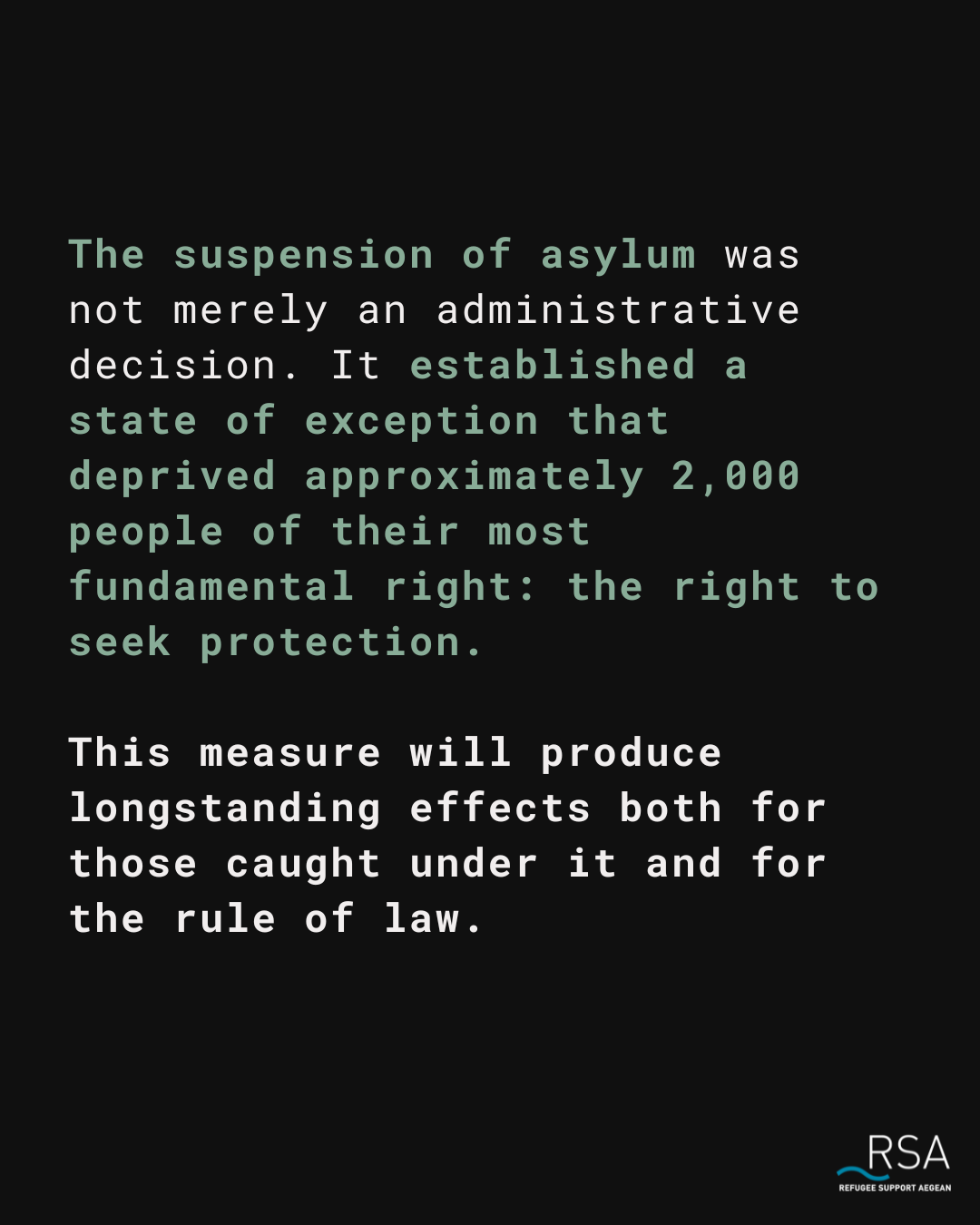
As documented in a detailed publication by RSA, the suspension of asylum had immediate and serious consequences for the rights of people arriving in Crete and Gavdos, leading to the prolonged and unjustified detention of approximately 2,000 individuals, without access to the asylum procedure and without effective protection safeguards. During the implementation of the measure, the European Court of Human Rights intervened on two occasions (14/08/2025 and 29/08/2025) by issuing interim measures prohibiting the deportation of individuals who had been denied the right to seek international protection. However, this practice was not fully halted, as only nationals of Sudan and Eritrea were exempted from mid-September onwards.
We reiterate that, instead of suspending access to asylum and establishing a regime of exception, the competent authorities should have applied the explicit legal provisions for the immediate reception and identification of newly arrived individuals in Crete. The ongoing lack of planning and of even basic reception infrastructure cannot be substituted by measures that undermine the right to asylum and weaken the rule of law.
Lack of structure and planning - Serious gaps in services
Despite a fourfold increase in arrivals to Crete in 2025, the competent authorities continued to fail to implement the explicit provisions of the legislation on the immediate reception and identification of newly arrived individuals. To this day, no facility of the Reception and Identification Service (Reception and Identification Centre) is operational on the island, nor has a mobile unit been deployed to carry out the strictly necessary and urgent first reception procedures. As a result, there is a complete absence of systematic vulnerability identification, alongside delays or even the denial of fundamental protection safeguards.
At the same time, severe shortcomings have been recorded with regard to the provision of adequate interpretation services and meaningful information to refugees on their rights and the procedures affecting them.
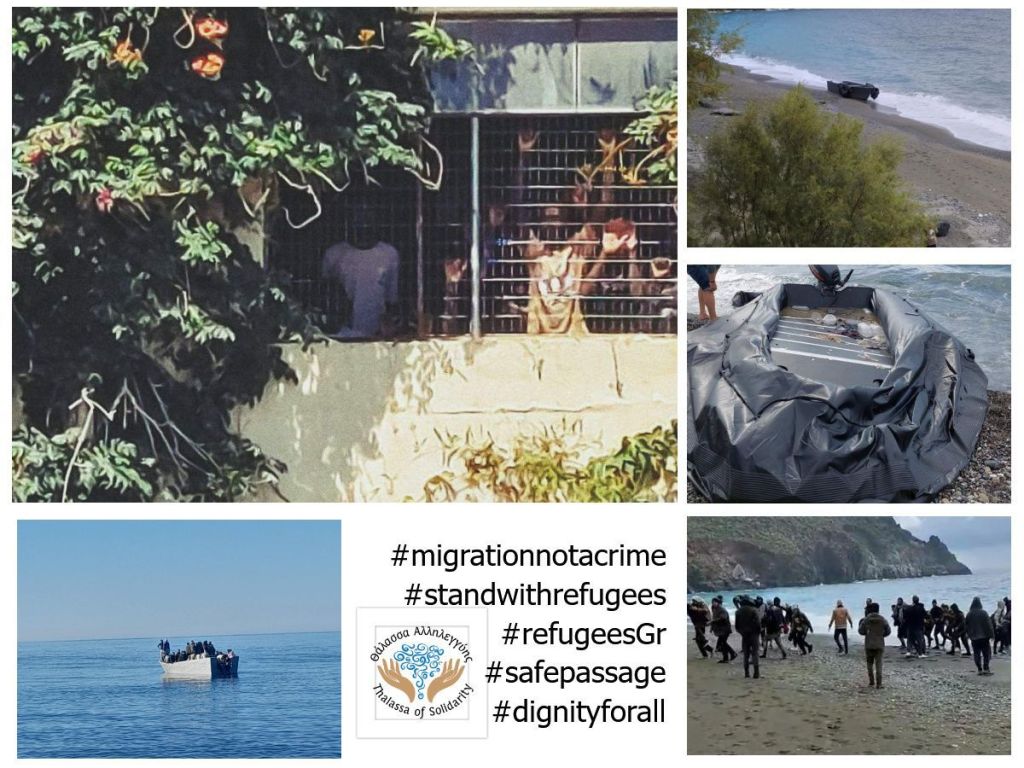
The lack of sustainable planning is not a new phenomenon, but rather a longstanding choice which, in 2025, led to further invisibility of people arriving in Crete and to their systematic deprivation of liberty, without any effort to pursue sustainable and lawful reception solutions. The organisation Thalassa of Solidarity, active in Heraklion, described the situation to us as follows: “People are invisible. The media report arrivals in a purely procedural manner, placing greater emphasis either on shipwrecks with fatalities or on the difficulties faced by the Hellenic Coast Guard and local authorities in managing the situation. For over a year, nothing has changed, despite arrivals having quadrupled. No solutions are being sought; instead, the confinement of people and the deprivation of their liberty continue.”
Precarious living conditions - Use of unsuitable facilities
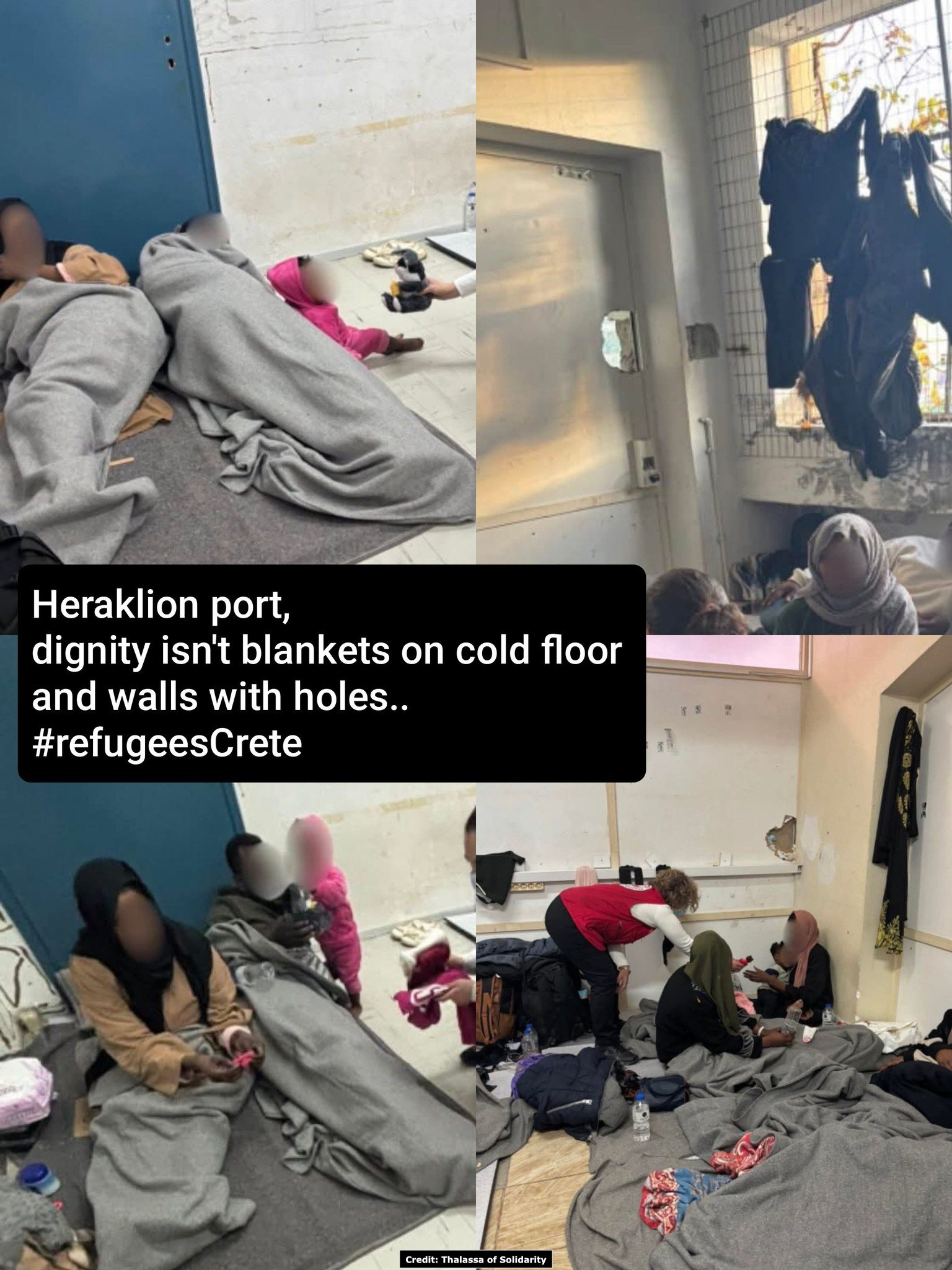
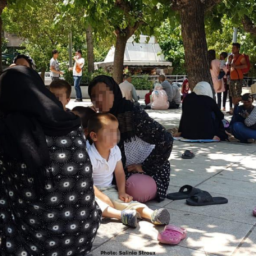
As a direct consequence of the absence of adequate structures and planning, throughout 2025 newly arrived individuals in Crete were accommodated in temporary, informal and unsuitable locations, under undignified conditions and without basic infrastructure. Despite repeated announcements and commitments regarding the establishment of an organised temporary reception facility on the island, no substantial improvement was recorded.
In Chania, the former exhibition centre in Agyia continued to be used as a place of detention for hundreds of people, despite serious warnings regarding health and safety risks. Due to the conditions, healthcare professionals from the Local Health Units and the Hellenic Red Cross temporarily withdrew from the site for several days. The Agyia site is not certified and is manifestly unsuitable and unsafe, as has recently been acknowledged even by the Union of Personnel of the Hellenic Coast Guard of Western Crete. On 15 September 2025, more than 1,100 people were being held there, with hundreds remaining for weeks, and in some cases up to one month, in overcrowded conditions, without access to outdoor space, with only a limited number of chemical toilets and makeshift showers. Incidents of skin infections and serious tensions were recorded. Following the implementation of the asylum suspension, access to the Agyia site was prohibited for the Chania Social Centre – Migrants’ Centre, preventing the distribution of essential items that they had collected.
In Rethymno, the situation was also particularly challenging. Indicatively, at the beginning of the second half of 2025, 442 rescued individuals were forced to spend three consecutive nights at the port, outdoors and under extreme heat. In late December, following a large-scale rescue operation, more than 530 people were transferred to the building of Kitrenosis, an abandoned building that constitutes one of the most unsuitable accommodation sites in Crete, where floors covered with manure and waste have been documented.
In Heraklion, at the old ‘Psygeio’ (Fridge) area of the port, people were repeatedly accommodated in numbers far exceeding the site’s capacity, without access to showers, without mattresses, and with people sleeping on the floor. In Ierapetra, newly arrived people were successively transferred between various buildings (the Ierapetra indoor school gym, the former primary school in the village of Mythoi, the former primary school of Kalogeroi, and the premises of the Union of Agricultural Cooperatives of Ierapetra), with the burden of food provision and transportation largely falling on local authorities, as well as on the humanitarian assistance provided by the Hellenic Red Cross and solidarity groups. As reported by the Hellenic Red Cross, refugees often arrive in Ierapetra soaked and suffering from sunburn.
These conditions do not constitute a temporary malfunction, but rather the foreseeable outcome of the systematic absence of state-led reception management for refugees in Crete, with serious consequences for human dignity and public health.
Strong criticism from local authorities and serious concerns raised by the Hellenic Coast Guard
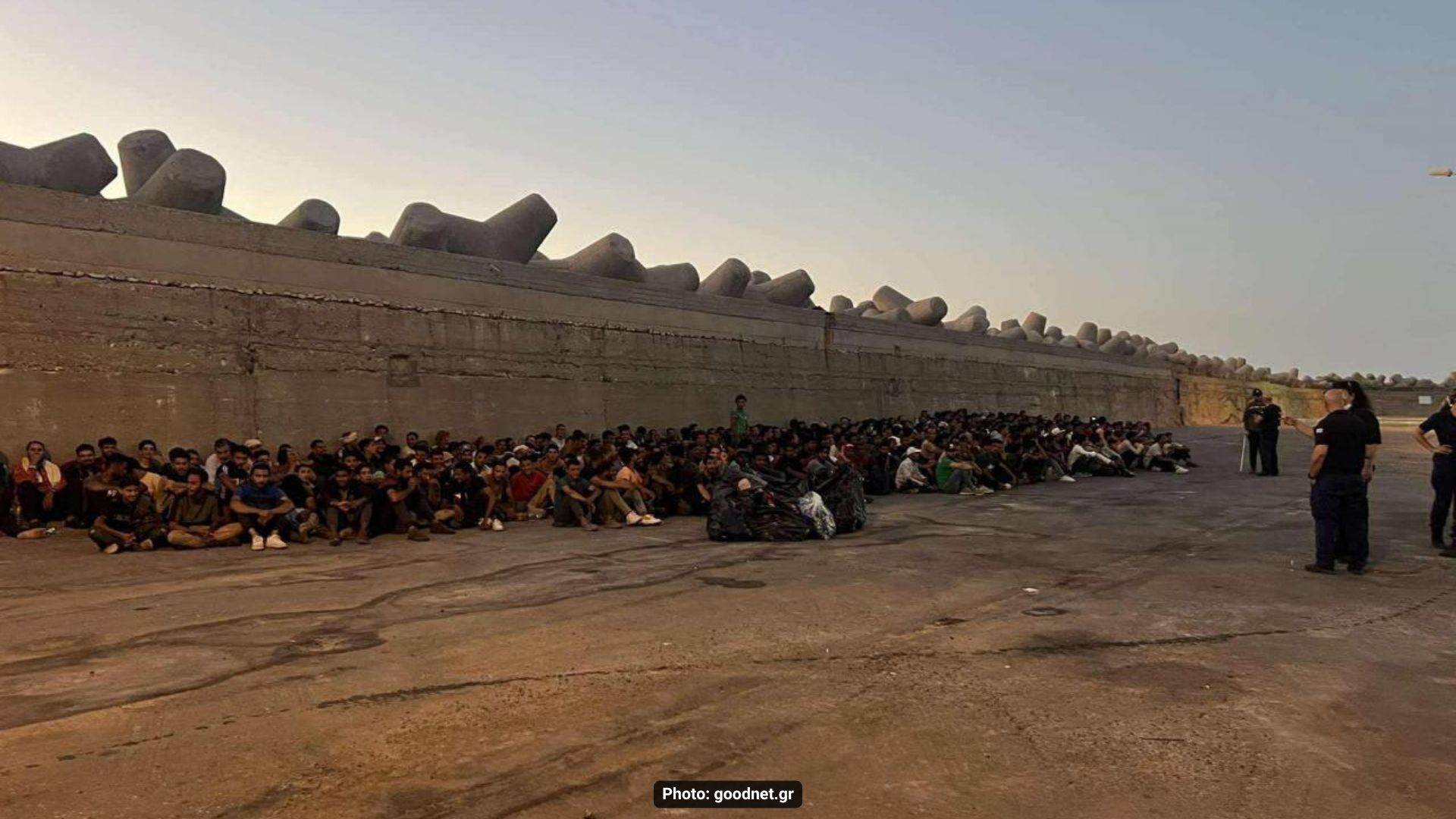
The above conditions have been the subject of repeated public interventions and strong criticism by representatives of local authorities, as municipalities and the Region were called upon to manage the consequences of state inaction, without a clear institutional framework, sufficient resources, or adequate infrastructure. Local authorities have repeatedly stressed that responsibility for reception and temporary accommodation has been shifted onto them, despite the fact that this responsibility neither falls within their institutional mandate nor can be realistically borne at the local level. In all prefectures, the provision of food for newly arrived people has been assumed by local authorities.
In Chania, the Deputy Mayor for Social Policy, Eleni Zervoudaki, highlighted both the inadequacy of existing infrastructure and the impact of central policy decisions. In an interview with RSA, she underlined that the new measures rendering arrivals from North Africa automatically detained created additional pressure on the Municipality, without leading to a reduction in arrivals. Regarding accommodation conditions in Chania, she stated: “The facilities need improvement. The Ministry has said that it will take care of this. We remain in the same situation. There are 11 chemical toilets, only one of which is for women, and two showers with hoses.”
Similar findings were expressed in Rethymno. The Mayor of Agios Vasileios, Giannis Tatarakis, stated that the temporary solutions implemented fail to meet even minimum standards of dignity: “Kitrenosis is not a solution; living conditions there are not humane. Two temporary accommodation facilities must be established immediately.” In a public statement following the teleconference of 16 October 2025 with the competent Minister, during which issues related to reception facilities and overall management were discussed, he stressed that “the time that has elapsed was not used to the extent required by the seriousness of the problem… Our position is clear: specific decisions are needed, a clear operational plan, concrete instructions to municipalities, financial resources and means, as well as their timely implementation, so that management and consensus are the result of planning rather than a reaction to a situational crisis.”. In early July 2025, following the overnight stay of hundreds of refugees at the commercial port of Rethymno, the Mayor of Rethymno and President of the Regional Union of Municipalities of Crete, Giorgos Marinakis, emphasised that suitable sites were available but had been excluded following interventions, while also stressing that responsibility for identifying accommodation sites does not lie with municipalities. He stated that the government has the ability to requisition private premises with compensation and noted: “With what is happening now, responsibility is being shifted onto local authorities, turning us into a punching bag and setting us against one another.”
In Heraklion, the former Deputy Mayor for Social Policy, Giorgos Tsangarakis, described a situation of complete inadequacy in temporary accommodation facilities: “The situation at the old ‘Psygeio’ (Fridge) area at the port of Heraklion is tragic. Its capacity is for 70 people. There are no mattresses. People are given blankets. We provide medication and clothing and try to find a new space.”
In Ierapetra, the Deputy Mayor for Agricultural Production and Civil Protection, Nektarios Papadakis, underlined that the lack of infrastructure and state support is a shared problem across all municipalities: “All municipalities are struggling; there are no suitable facilities. We have submitted a request for financial support to the Ministry of Migration and Asylum, but there has been no response. The only support comes from the Hellenic Red Cross, which provides healthcare coverage and whatever is needed, as well as from members of the public who bring clothing.”
The same picture of state absence was confirmed, from a different institutional standpoint, by representatives of the Hellenic Coast Guard in Crete. “The Ministry of Migration is a void, just a sign on a door. We see nothing in practice,” stated Vasilis Katsikandarakis, President of the Union of Coast Guard Personnel of Western Crete, in late December 2025. Giorgos Sfakianakis, President of the Union of Coast Guard Personnel of Eastern Crete, highlighted in local media the ad hoc nature of migration management planning, describing it as inconceivable that Coast Guard officers are expected to simultaneously carry out rescue operations, transfers, and the guarding of newly arrived people, without adequate support or a clear framework of responsibilities. In a recent statement, the Union of Coast Guard Personnel of Western Crete also stressed that, beyond their rescue and guarding duties, Coast Guard staff are required to manage issues related to food provision, transportation, and basic care, in the absence of support from the competent state authorities. As noted, overcrowding, the lack of healthcare provision, and the unsuitability of temporary accommodation facilities, particularly in Agyia, pose serious risks both to the health and safety of personnel and to the refugees themselves.
Increase in xenophobia
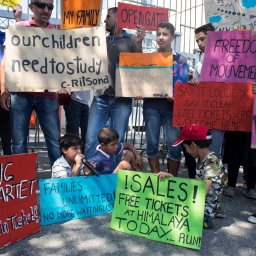
During the second half of 2025, the social climate in Crete became increasingly tense, with a rise in xenophobic expressions and public interventions, prompting volunteers and grassroots initiatives to call for the de-escalation of hate rhetoric. In July, a group of citizens issued a public call for a gathering on 12 July outside the Municipal Market of Chania, under the slogan “No to colonisation, no to illegal migration.” The city’s anti-racist movement responded immediately by organising a counter-gathering at the same location two hours earlier, which ultimately led to the initial mobilisation being relocated to Souda Square, outside the urban centre, with limited participation. In late September, a call for the establishment of an association against “illegal migration” was published in the newspaper Chaniotika Nea. At the same time, strong reactions were voiced by tourism sector representatives in Crete against government plans for the creation of permanent reception facilities on the island, further contributing to a climate of suspicion and the stigmatisation.
Criminalisation of human mobility and forced displacement
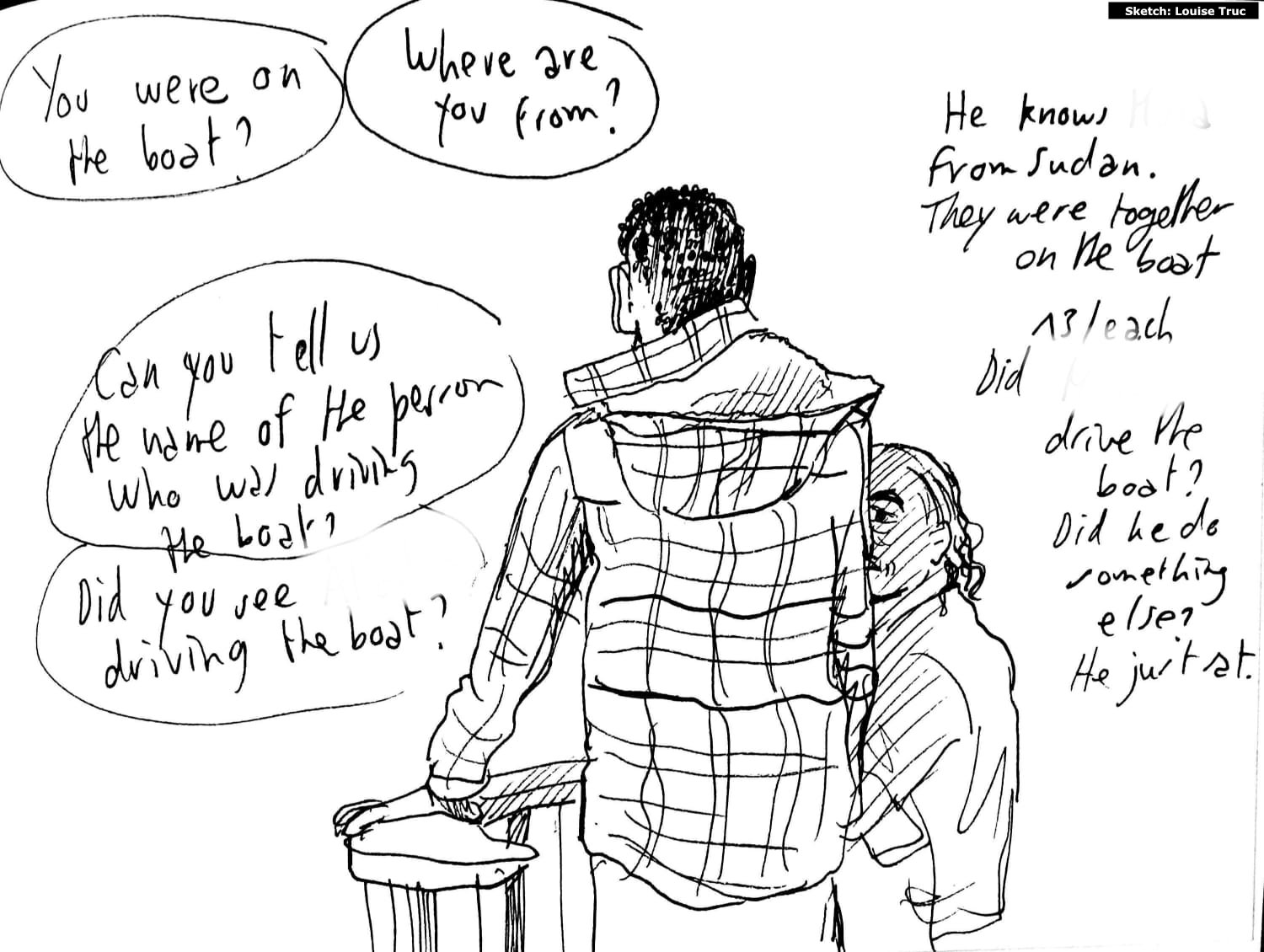
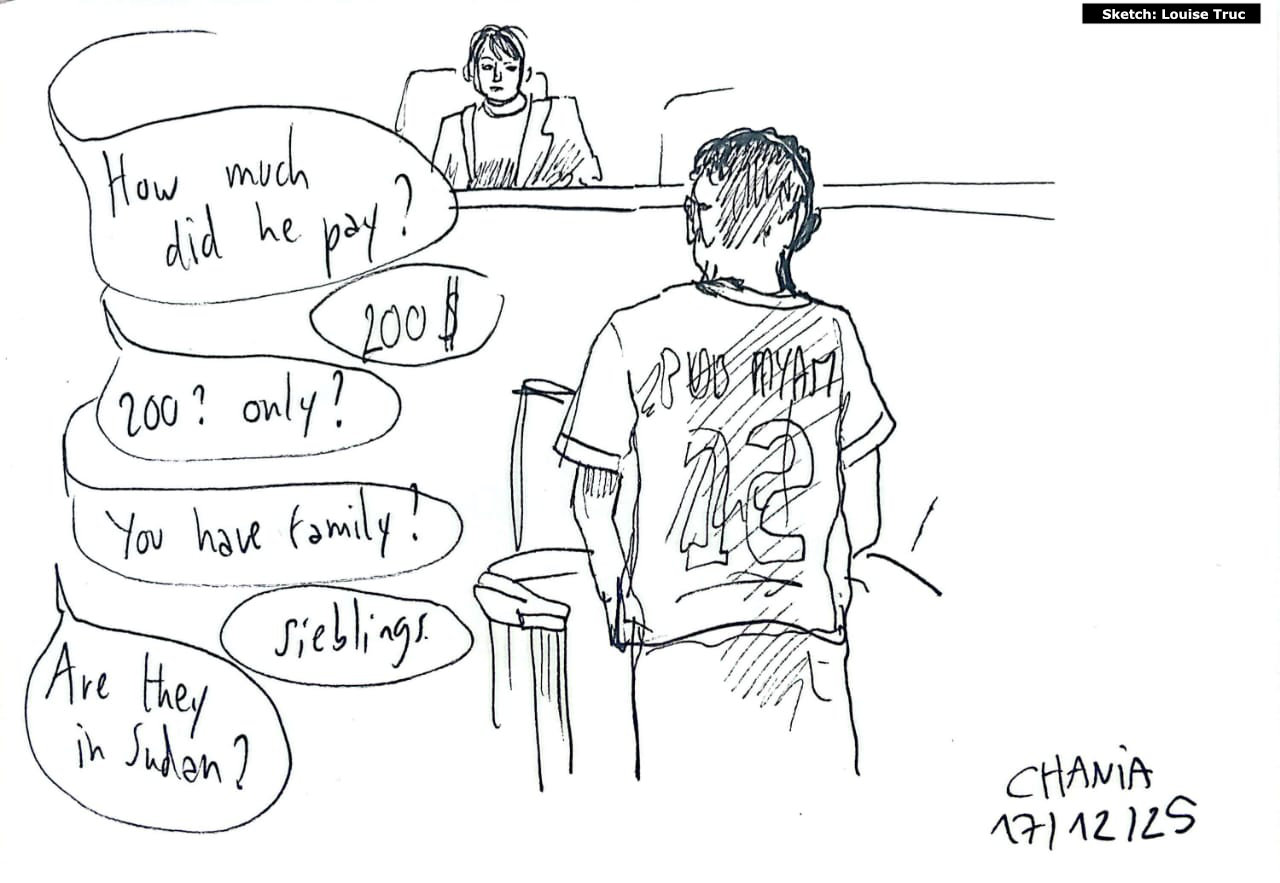
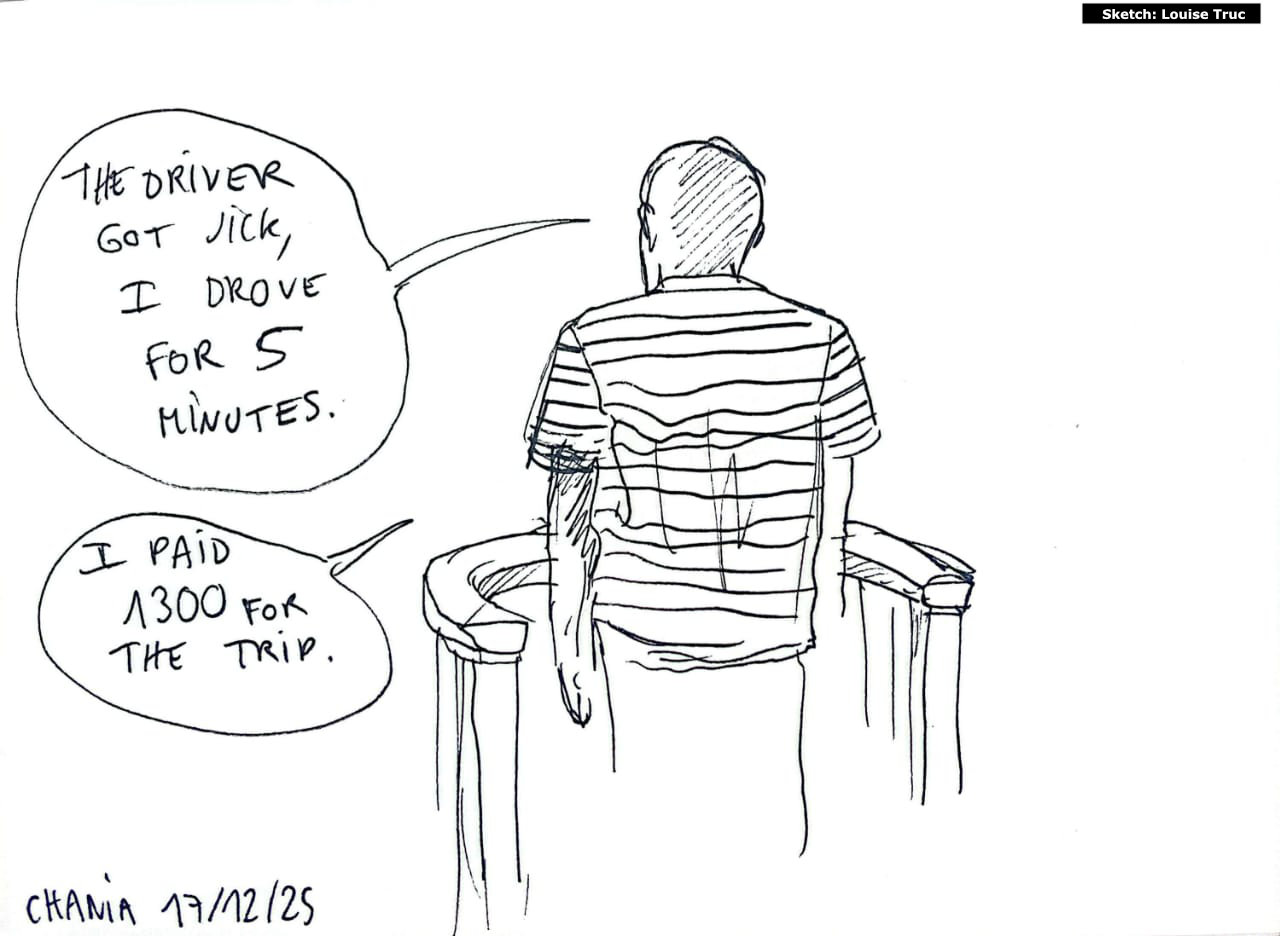
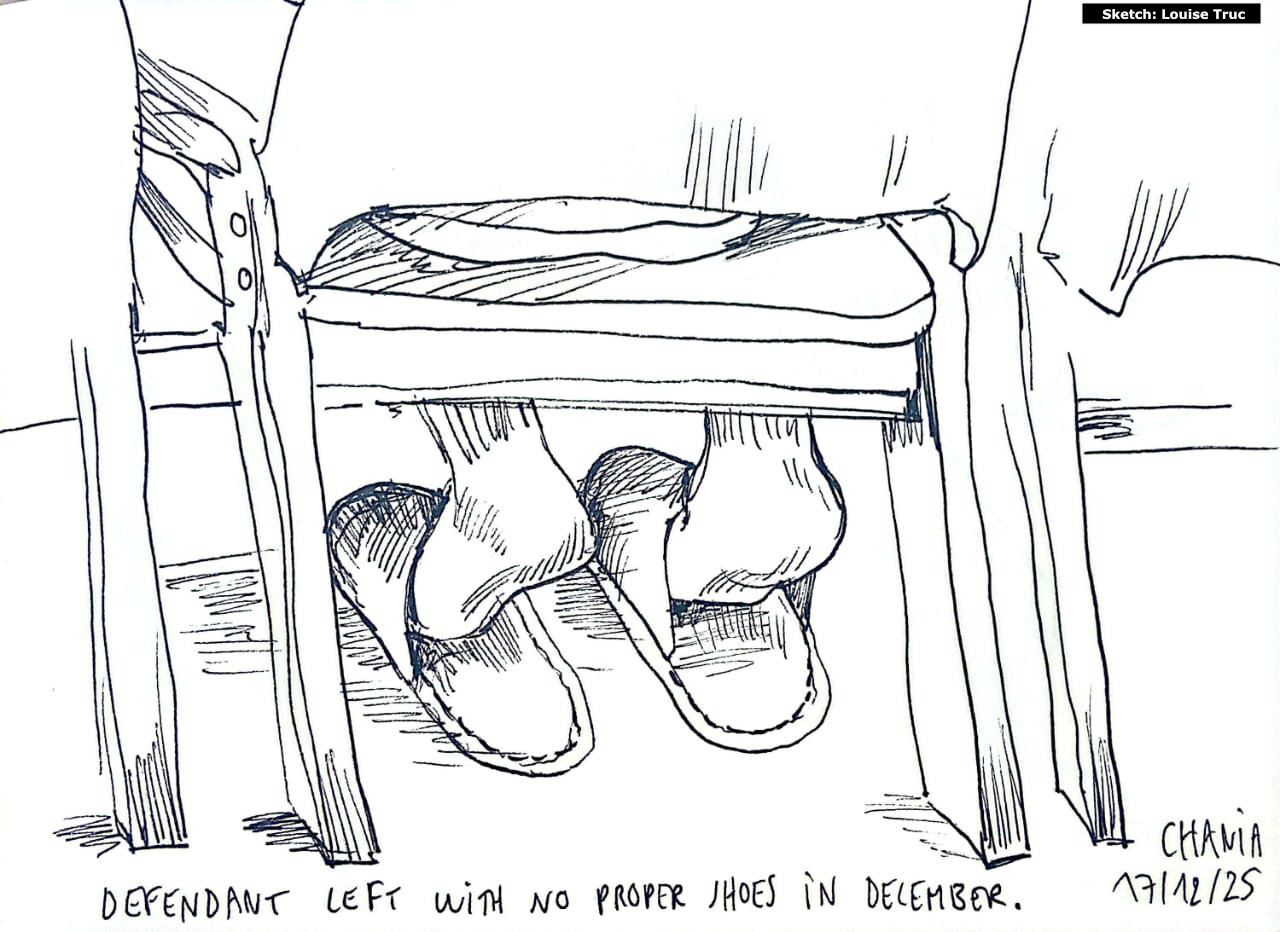
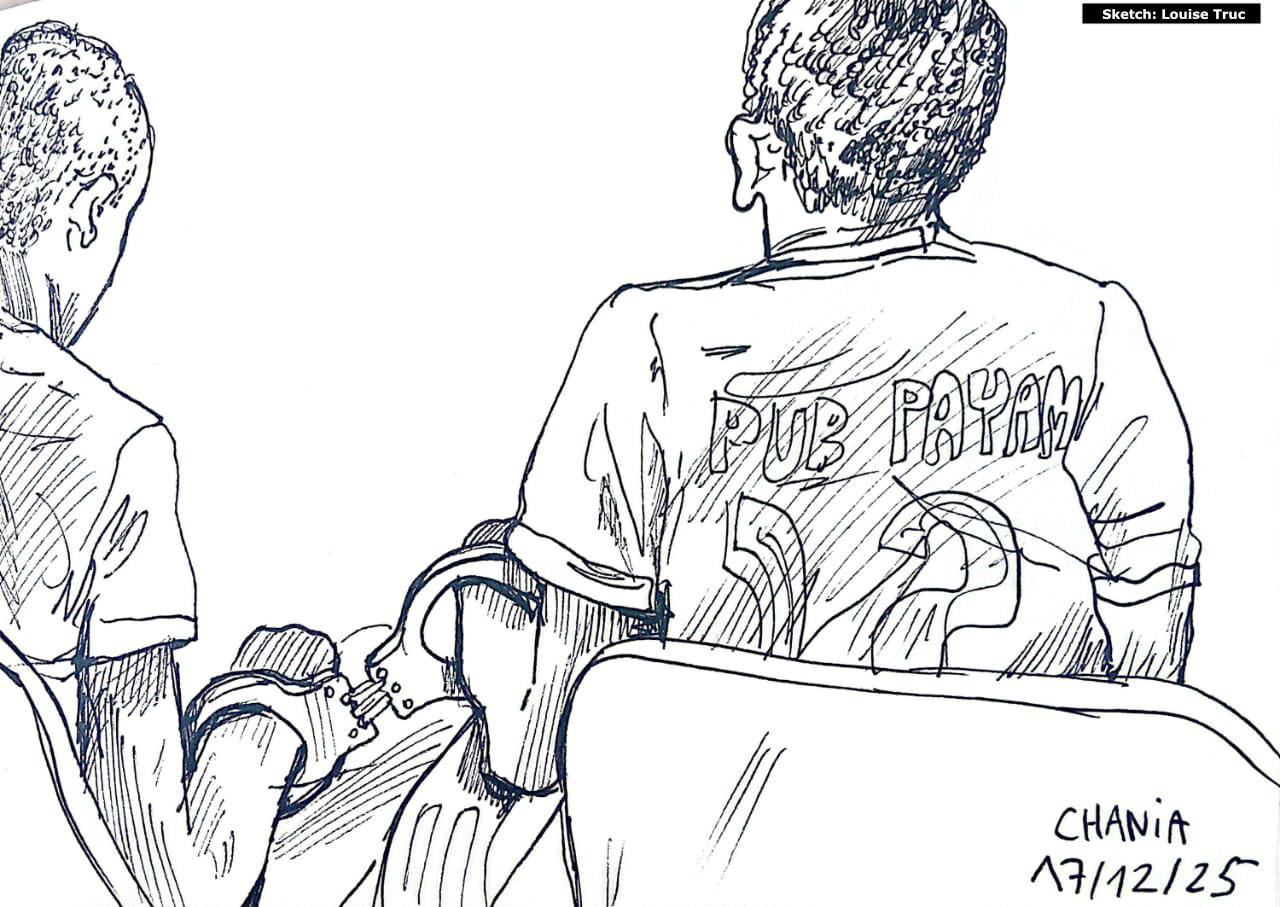
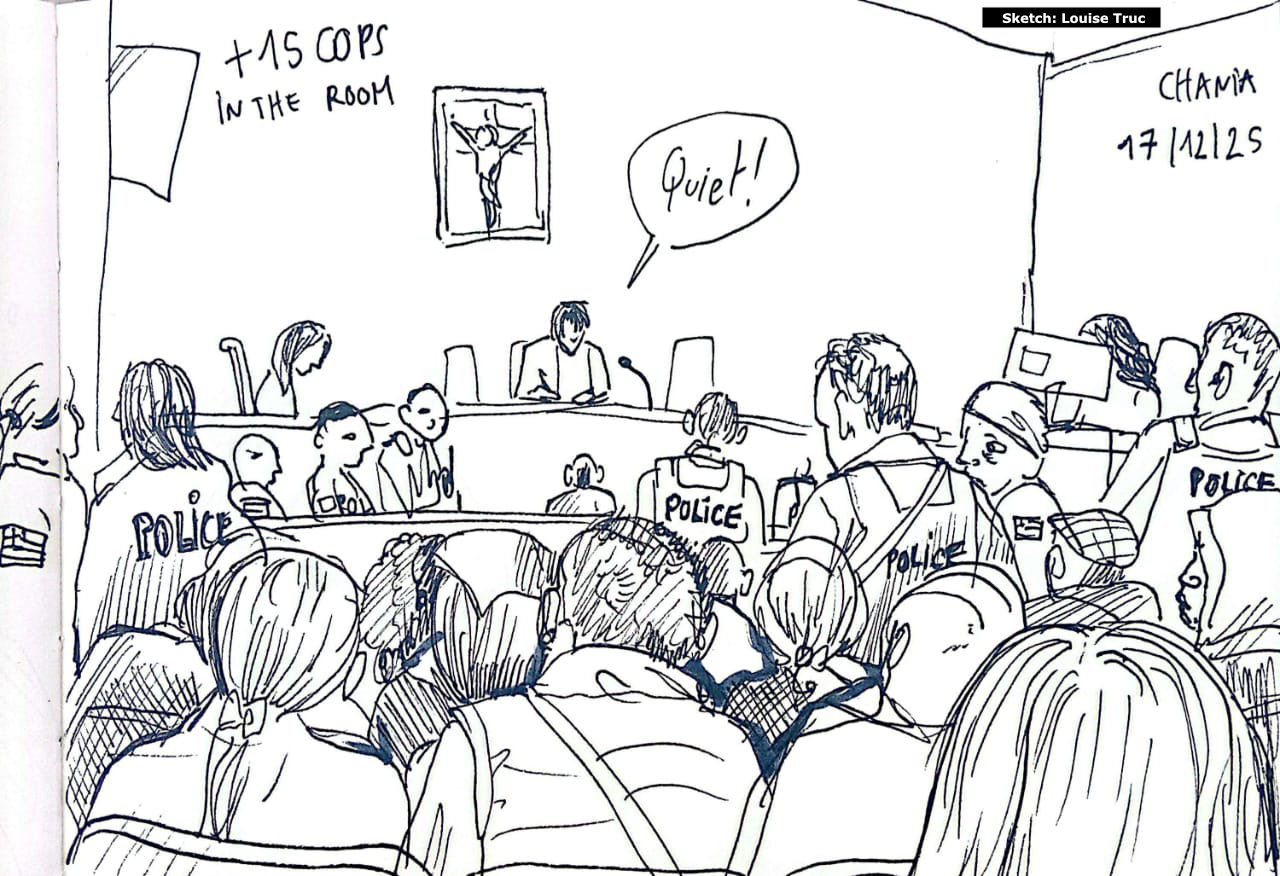
The increased number of boat arrivals from Libya to Crete over the past year has led to widespread and unlawful criminal prosecutions on charges of “smuggling,” primarily targeting refugees from Sudan and Egypt, including dozens of minors, some as young as 15 years old. These prosecutions are initiated on a mass scale by the judicial authorities of Crete and concern individuals who, prima facie, fall within the definition of refugees. Despite being asylum seekers, the accused are frequently transferred to prisons on the mainland, while their trials are conducted before courts in Crete.
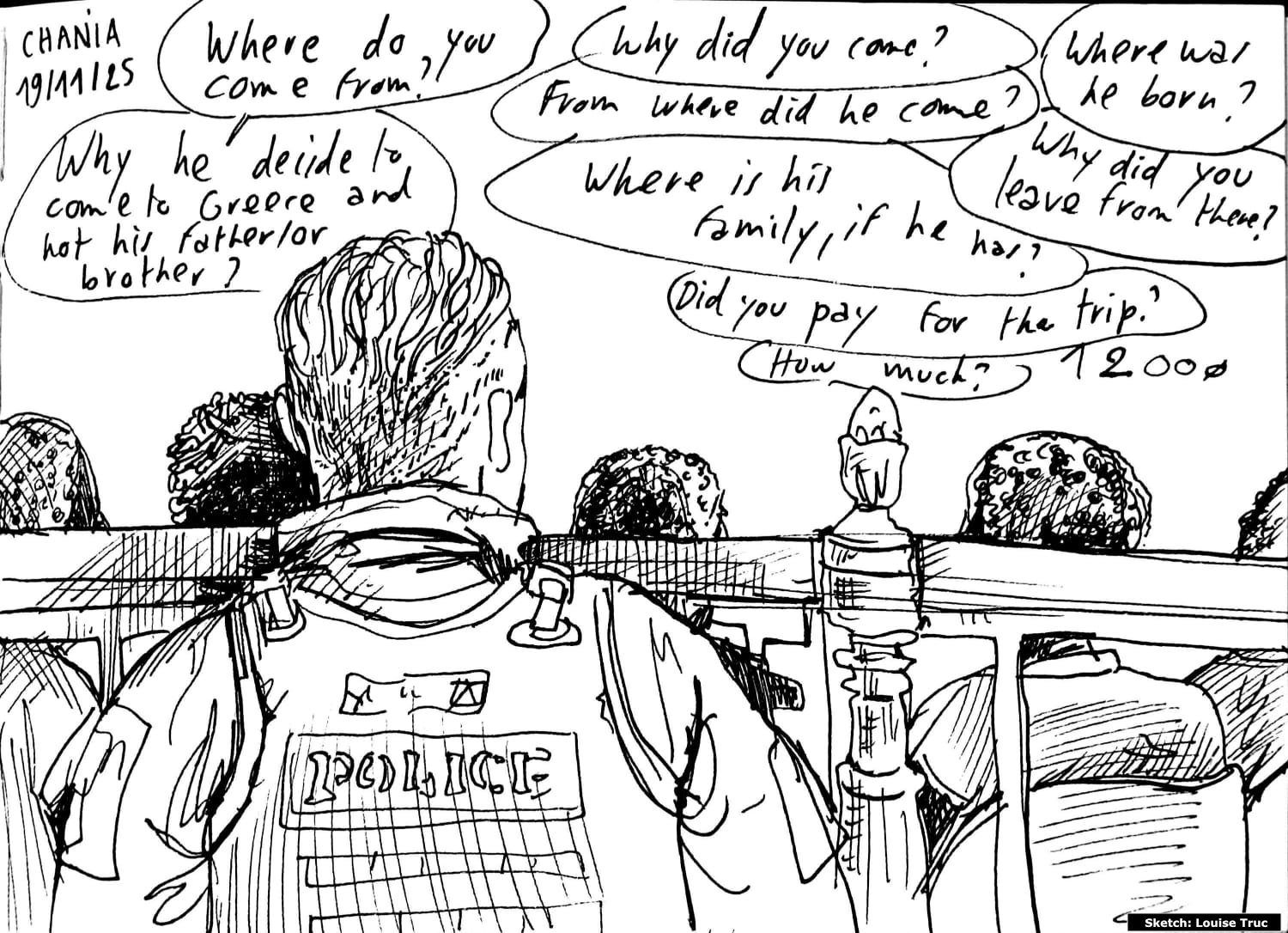
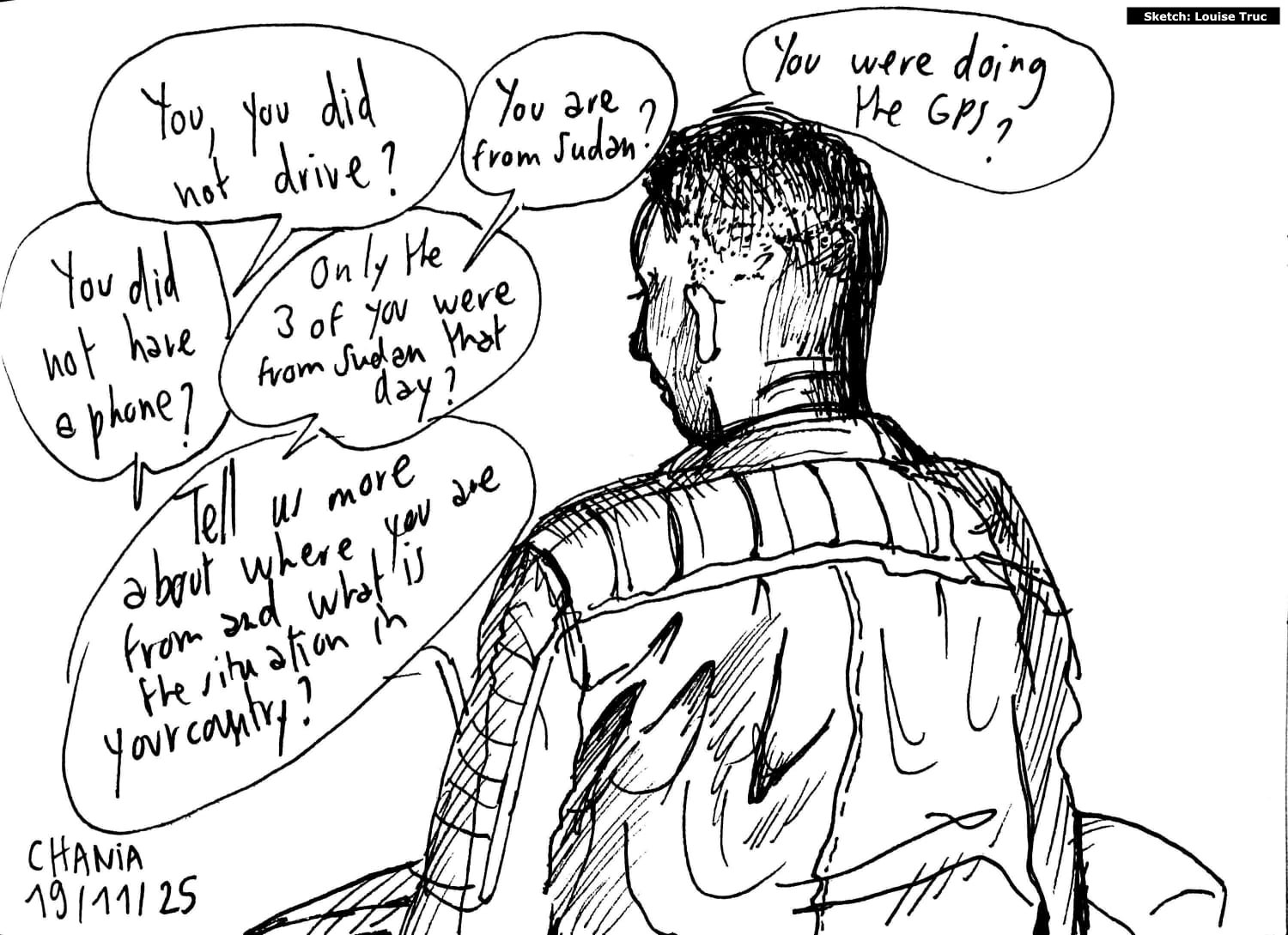
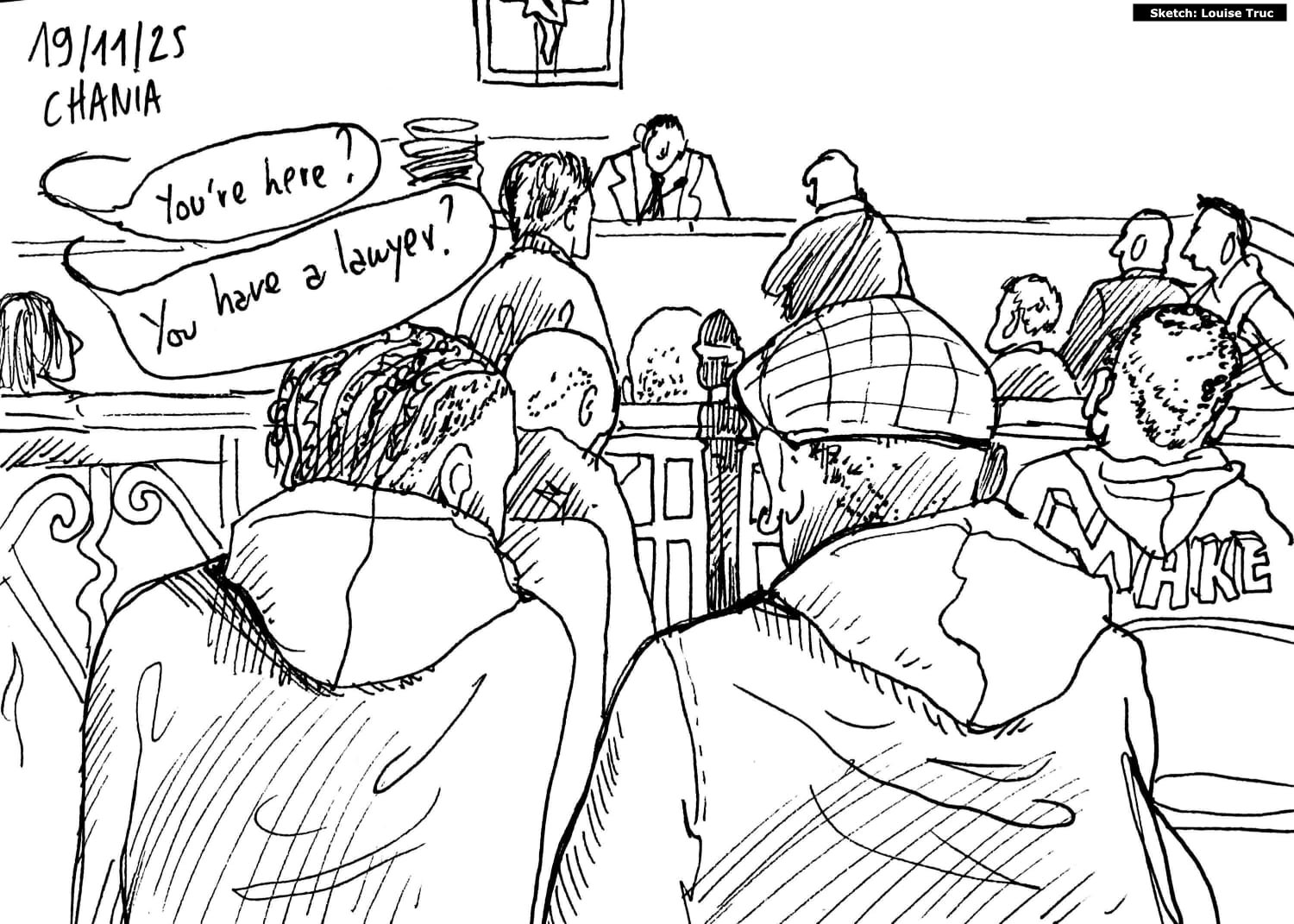
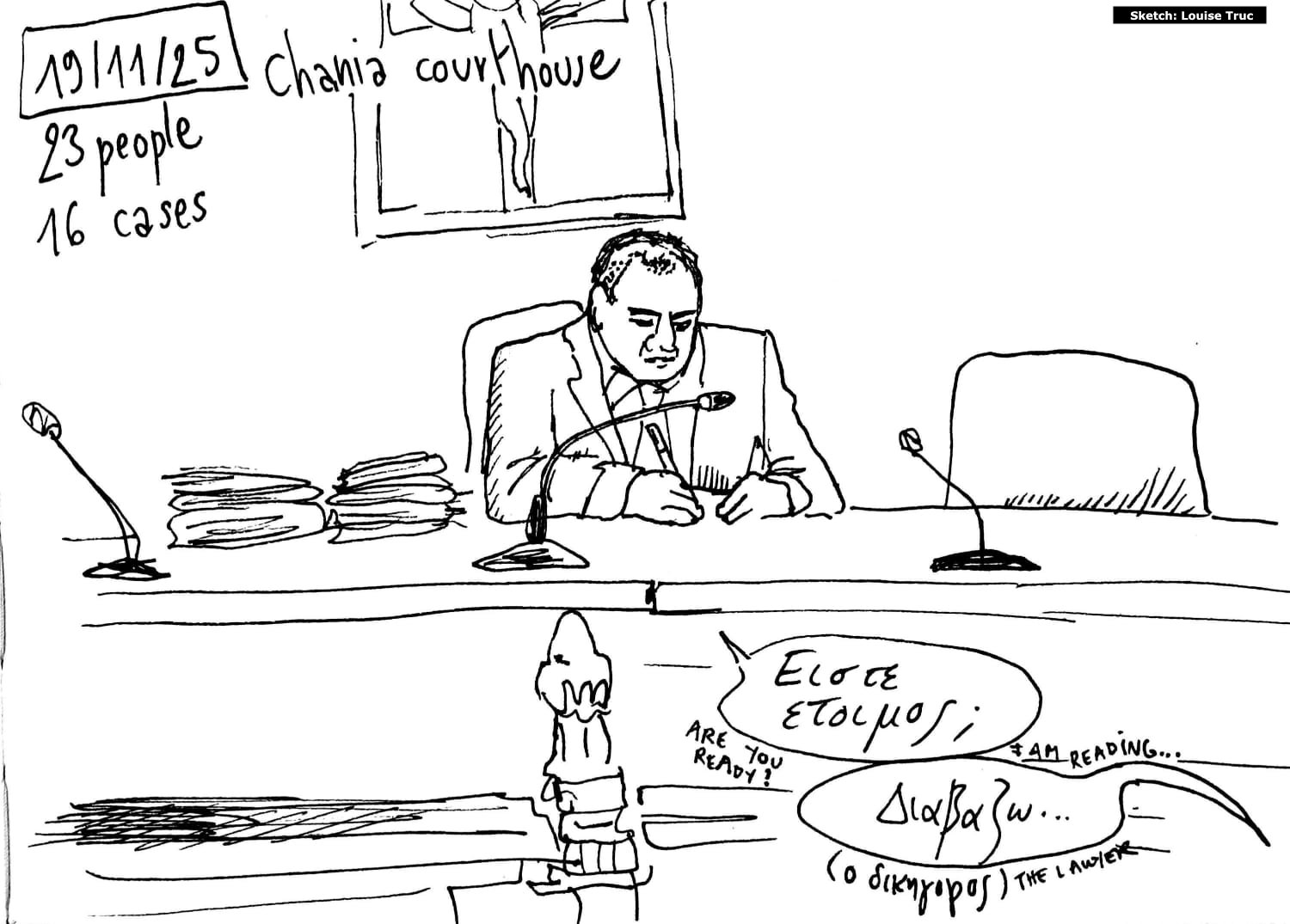
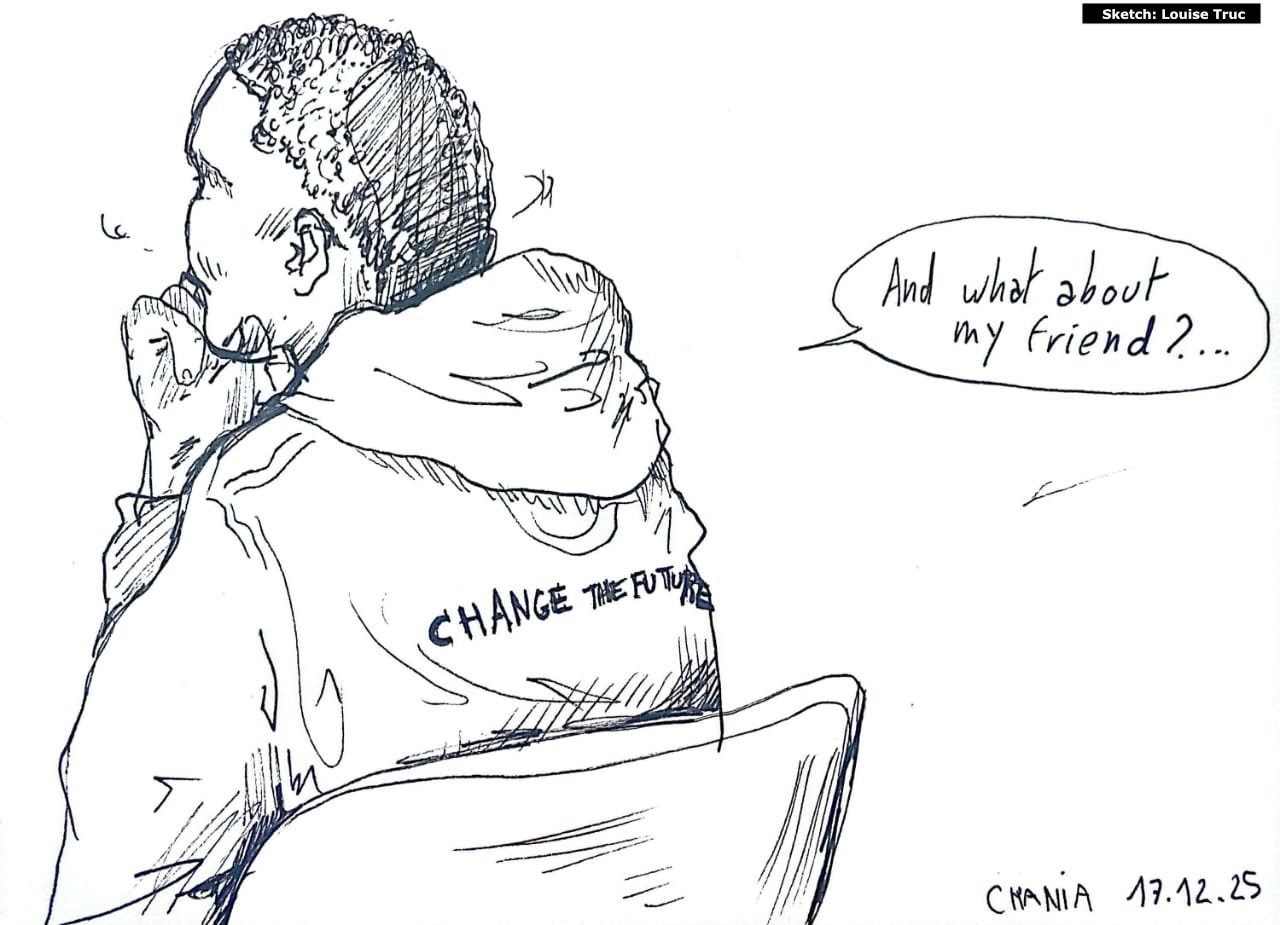
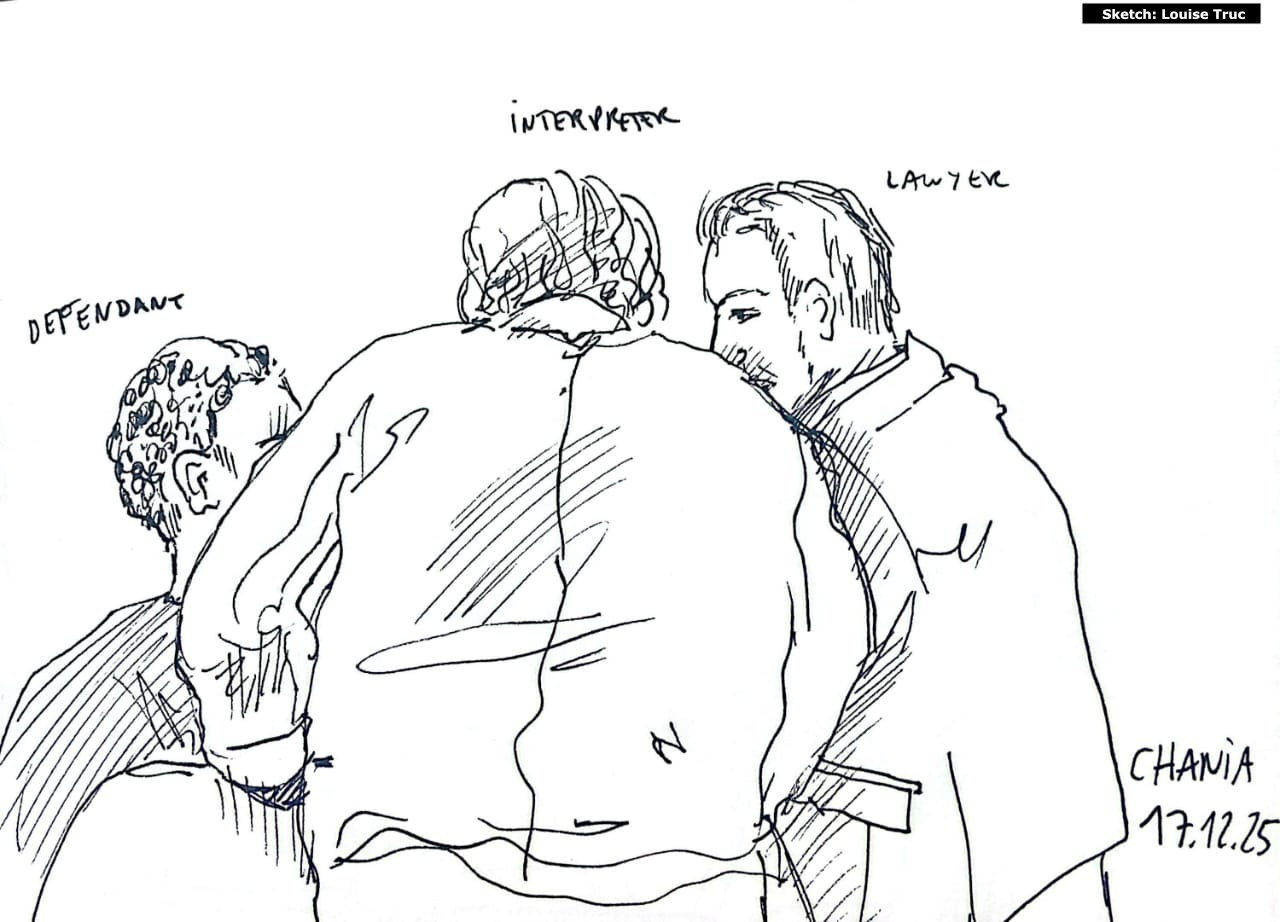
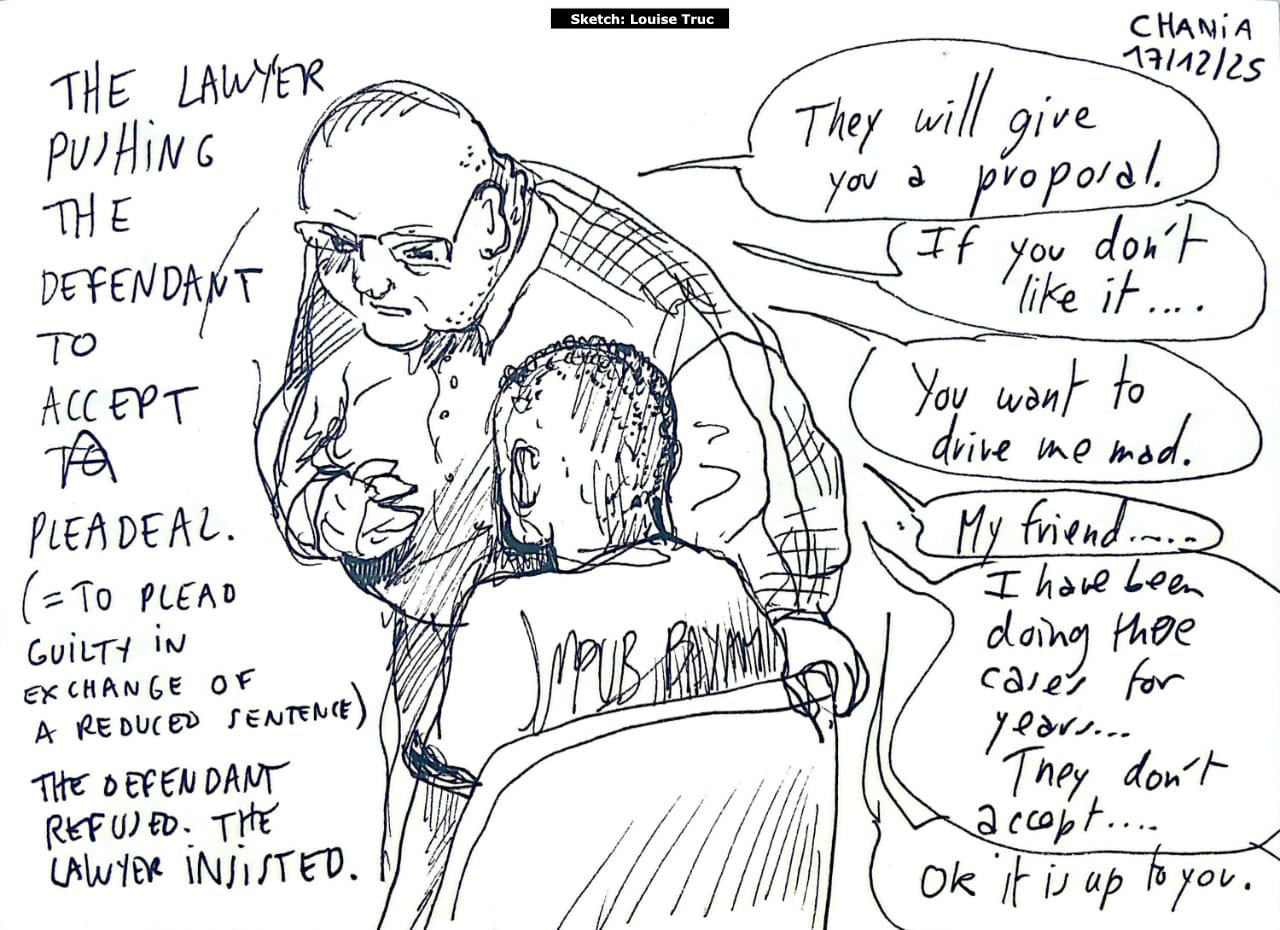
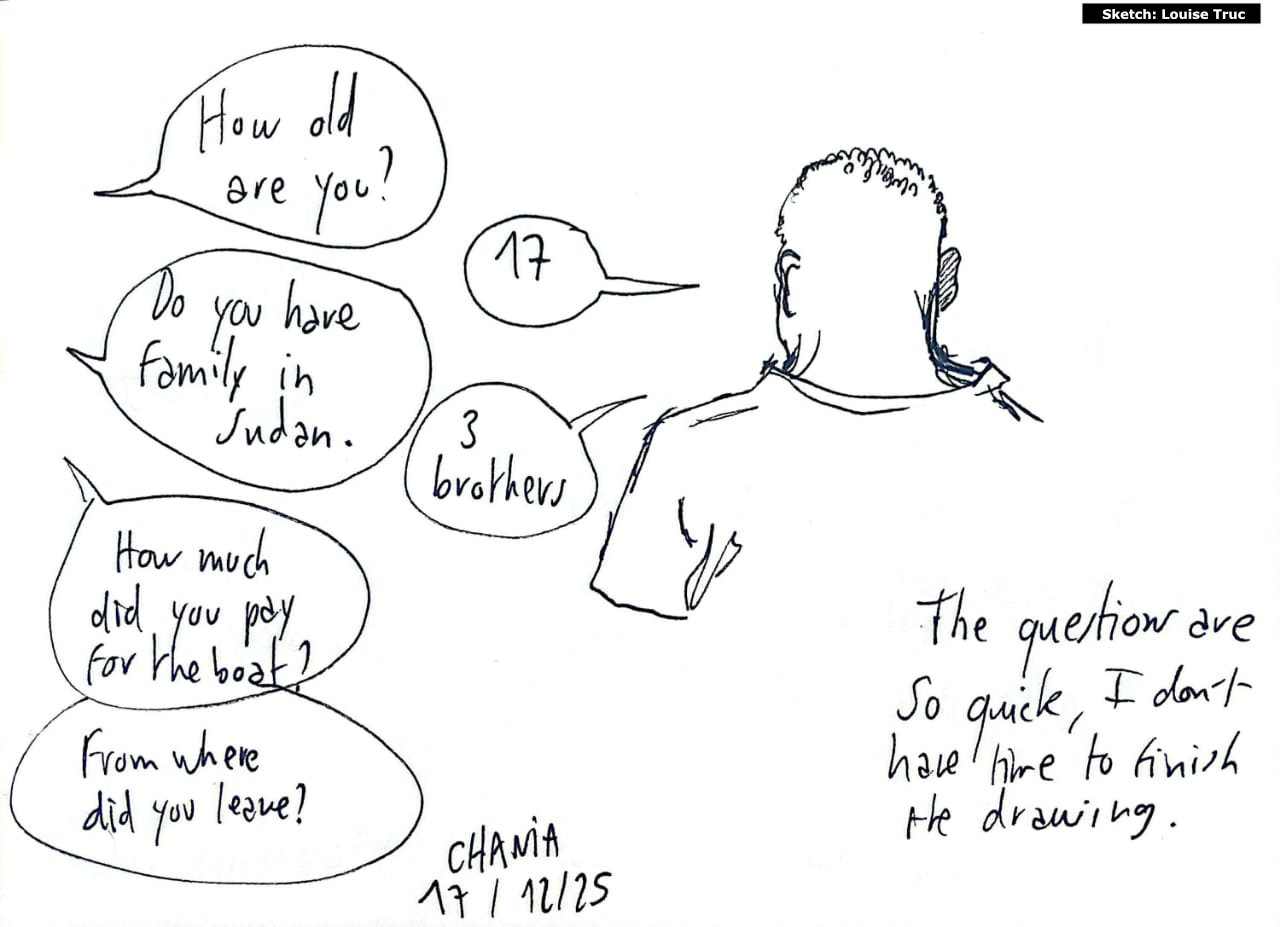
In practice, defendants are brought before the courts without a full understanding of the charges against them, the potential sentences they face, or the proceedings themselves. Access to meaningful interpretation is limited, while legal representation is often appointed at the last moment, leaving defence lawyers with minimal time to review the case file prior to the hearing. Proceedings are marked by speed and a lack of transparency, including flawed “identifications” and identical, and often biased, witness statements, which in some cases are taken in a language other than the witness’s mother tongue. Indicative of the serious deficiencies of the hearing process is an incident before the Court of Appeal for Felonies of Western Crete, where a police officer, a member of the courtroom security staff, was appointed as an English-language interpreter. On that day, with the sole exception of one acquittal due to a manifest lack of jurisdiction, in a case supported by RSA, all other defendants listed for trial were convicted and sentenced to lengthy prison terms. In the vast majority of cases heard in recent months, defendants have been found guilty and sentenced to extremely long custodial sentences. In response, a strong solidarity movement has emerged in support of the accused, with the active participation of Sudanese refugees.
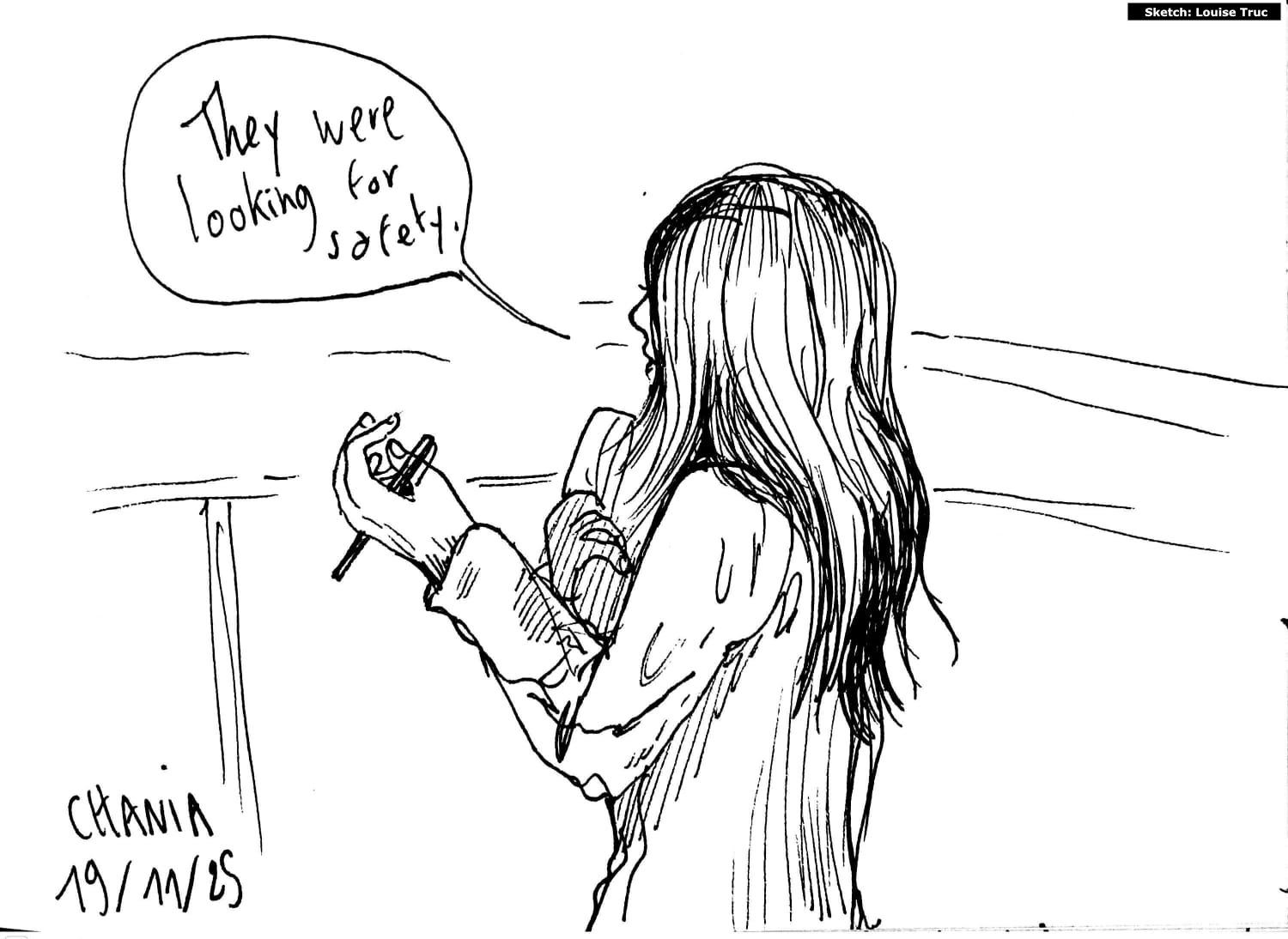
Refugee trials in Crete through the sketches of Louise Truc
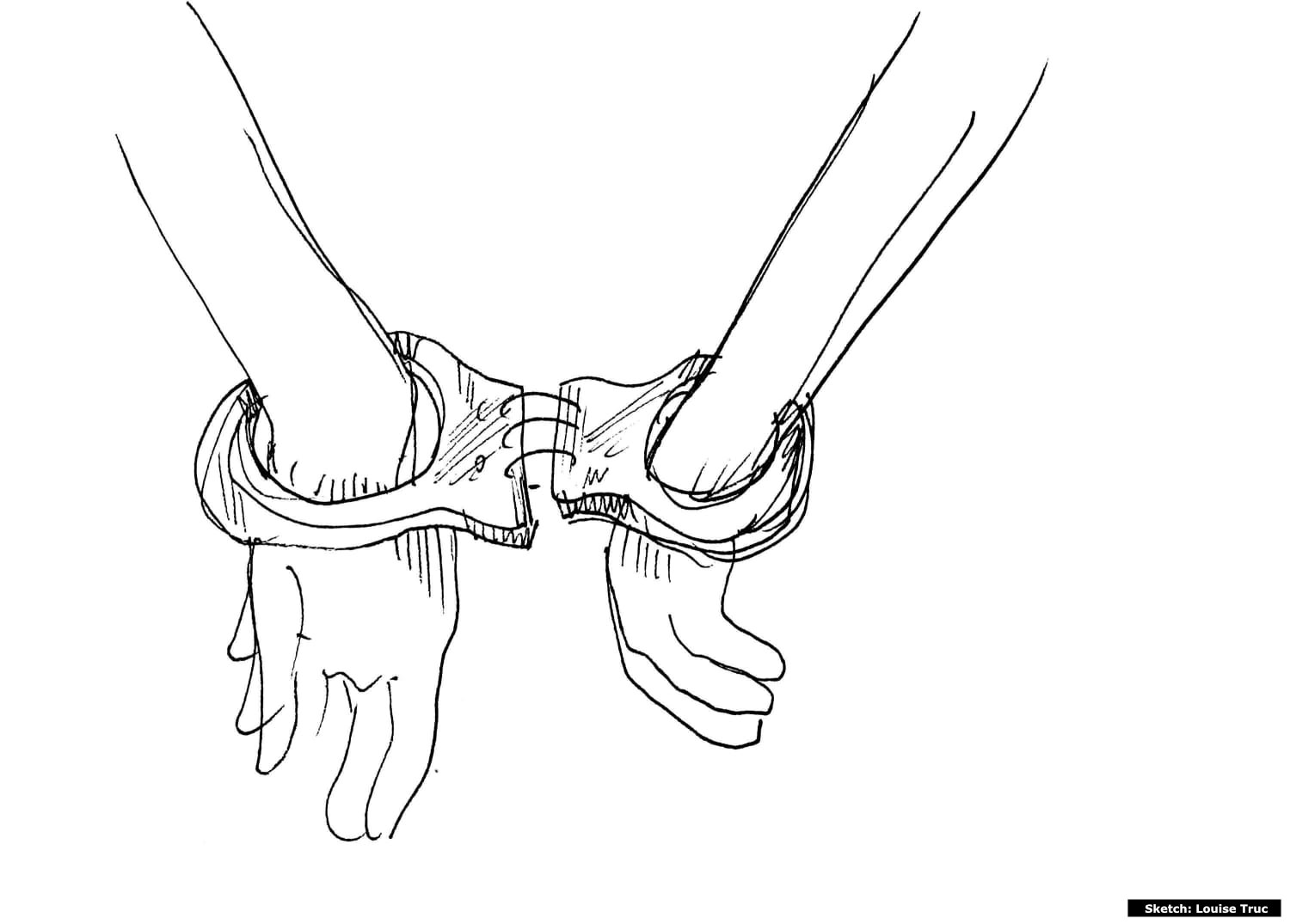
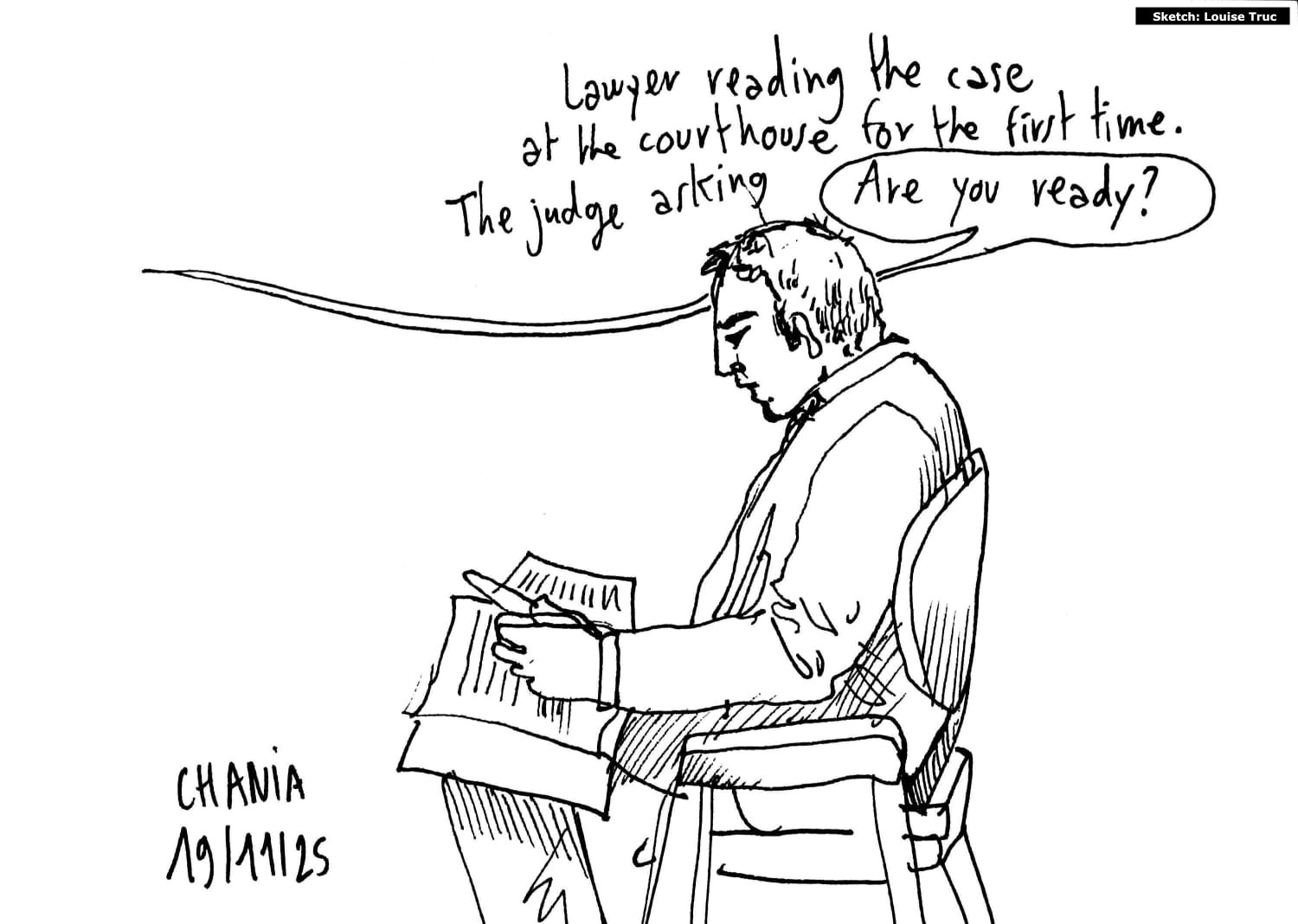







click to enlarge
Of particular significance is the fact that 37.3% of refugees arriving in Crete in 2025 originate from Sudan, a country ravaged by armed conflict since 2023.
The need for international protection for Sudanese refugees is indisputable and is confirmed both by Greek and European authorities, as well as by the fact that their refugee recognition rate in Greece approaches 100%.
Within this context, individuals who, in some cases, were compelled to steer inflatable boats in order to save themselves and their fellow passengers are treated as “smugglers,” despite this being the only way for them to reach safety and seek the protection to which they are entitled.
This practice amounts to an arbitrary and contra legem criminalisation of the arrival of refugees by sea, in violation of both national law and international legal provisions of superior normative force. Article 31(1) of the 1951 Geneva Convention obliges states not to impose criminal penalties on refugees on account of their unlawful entry or residence. Nevertheless, in Crete, a systematic practice of criminal prosecution of refugees has developed, without regard for their status as refugees and without the safeguards of a fair trial being ensured.
This situation exposes a serious departure from the principles of legality and the rule of law, with severe consequences both for refugees themselves and for the functioning of the justice system as a whole. Responsibility lies first and foremost with the State and all actors of the justice system. It is a matter of upholding legality and protecting the rule of law; and, ultimately, a matter of fundamental humanity, which concerns us all collectively.
Read earlier publications with data on arrivals in Crete from 2023 to the present, as well as on the persistently inadequate reception infrastructure and living conditions in Crete and Gavdos: