Asylum procedure and reception statistics in Greece in 2025
Refugee Support Aegean (RSA) publishes its annual record of official statistics on the asylum procedure and the reception system in Greece in 2025, drawing on statistics published by the Ministry of Migration and Asylum and figures disclosed in response to parliamentary questions. This analysis builds on RSA’s regular documentation of the operation of the asylum process in Greece, which has consistently highlighted chronic deficiencies and gaps in both the asylum procedure and reception conditions (see for 2024: Asylum procedure, Reception).
The full statistics are presented in detail in the two notes below.
Asylum
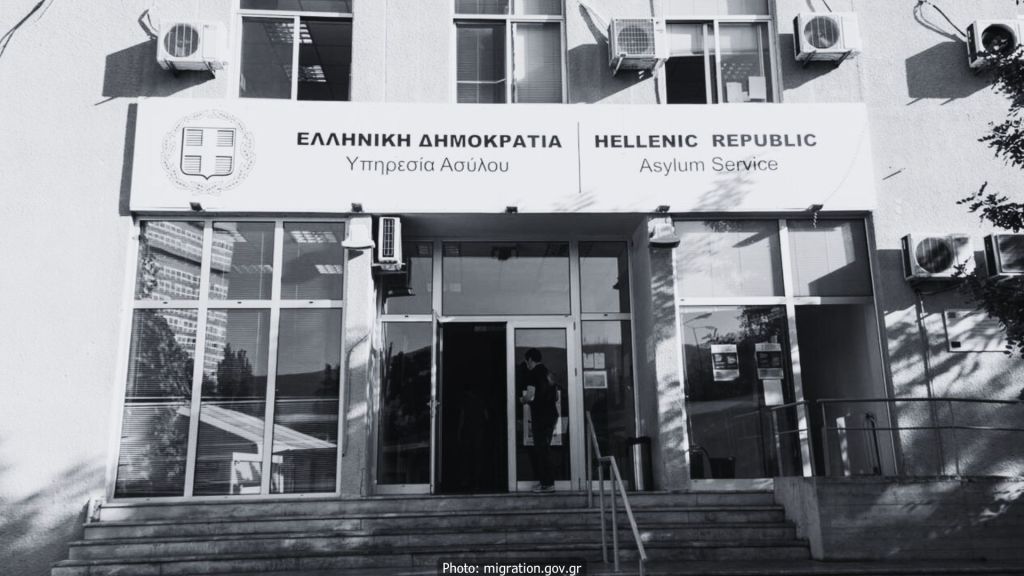
According to official data of the Greek authorities, a total of 52,180 arrivals were recorded throughout 2025. During the year, 55,383 initial asylum applications were lodged in Greece, of which 51,318 with RIS services. Afghanistan was by far the main country of origin, followed by Syria and Somalia; nationalities for which the Greek government persists in designating Türkiye as a “safe third country”. The Plenary of the Council of State quashed the 2023 Safe Third Countries list for want of due reasoning; before the publication of the full text of the ruling, however, the government adopted a new, identical list, which has been subject to fresh proceedings before the Council of State since June 2025.
In 2025, a total of 6,251 subsequent asylum applications were also lodged, of which 1,383 were second or onward subsequent claims subject to a fee of initially 100 and now 300 € per person; a rule that exists in no other EU Member State and whose legality is yet to be decided by the Council of State.
More than ²⁄₃ of the asylum claims examined on the merits at first instance were granted: the overall recognition rate stood at 70.6%, with recognition rates remaining extremely high for nationals of Afghanistan (99.8%), Sudan (99.4%), Palestine (98.5%) and Syria (91%). Official figures confirm for yet another year that the majority of people seeking asylum in Greece have international protection needs and merit protection. The majority of negative decisions concerned manifestly unfounded applications rejected in the accelerated procedure, almost exclusively based on the national safe countries of origin list.
2025 saw a continuation of the systematic, arbitrary use of the border procedure to people who made asylum applications inside the CCAC of the Eastern Aegean islands, in contravention of both the prohibition on applying the border procedure to claims made outside “borders” or “transit zones” and the prohibition on applying the border procedure to applications that are not deemed inadmissible or manifestly unfounded. However, the vast majority of decisions issued in the border procedure were positive, leading to an extremely high recognition rate of 91.2%.
At second instance, the recognition rate fell further to 8.5%, against a backdrop of irregularities that have been found unlawful by domestic and European courts (dismissal of appeals due to failure to appear in person or to promptly submit a residence certificate in a reception facility; dismissal as out of time partly due to unlawful notification of decisions via email; and operation of Appeals Committees in single-judge format, which has been declared unconstitutional).
Finally, the approval rate of applications for judicial review at the administrative courts stood at 47.3% in 2025, compared to 20% in 2022. The administrative courts thus quashed almost half of the asylum decisions they reviewed on points of law.
Reception
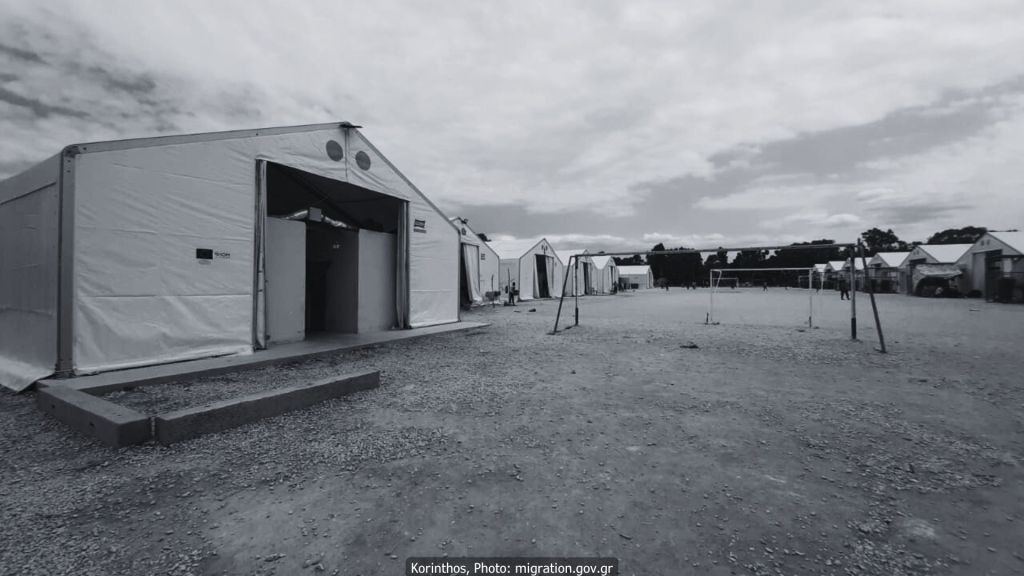
22,622 people resided in camps managed by the RIS of the Ministry of Migration and Asylum at the end of 2025, compared to 27,100 at the end of 2024. The main country of origin of residents in camps at the end of the year was Sudan, followed by Afghanistan, Syria, Egypt and Iraq. The total included 3,882 children.
At least 25% of residents (5,854 people) had vulnerabilities identified by the Ministry, including survivors of torture and other forms of violence. Despite repeated government announcements regarding the creation of alternative housing, camps remain the only form of housing offered to people seeking protection in Greece, regardless of vulnerability.
Persistent, chronic gaps in reception conditions are recorded. The programme for provision of the financial allowance to which asylum seekers are entitled came to a close at the end of March 2025 and was not renewed. Since then, not a single asylum seeker of the 22,622 people who lived in camps has received a single euro in financial support from the state to cover necessary daily expenses. At the end of 2025, a total of 58 doctors were deployed throughout the RIS camps (one doctor per 390 people) while at least 5 camps had no doctor at all. 168 interpreters were deployed in RIS camps at the end of 2025, exclusively through emergency provision of staff by the European Union Agency for Asylum (EUAA).
Detailed statistics on the reception system and the asylum procedure are available in the notes below.