
A mother and her two children arrested upon seeking asylum, a couple arbitrarily detained for a month: Two stories from the first month of the implementation of the New Pact
People arriving in the country as of 12 June (the start of implementation of the New Pact) and who fall under the new legal framework have remained unregistered and detained, while others have been arbitrarily arrested, criminally prosecuted and detained while seeking asylum (!). This is happening while the competent Services of the Ministry of Migration and Asylum have halted already problematic procedures for registering asylum applications.
The dire effects of this backsliding are reflected in two illustrative cases represented by RSA (Refugee Support Aegean) on the Aegean islands and the mainland:
Sara*: a single mother, arrested after seeking asylum
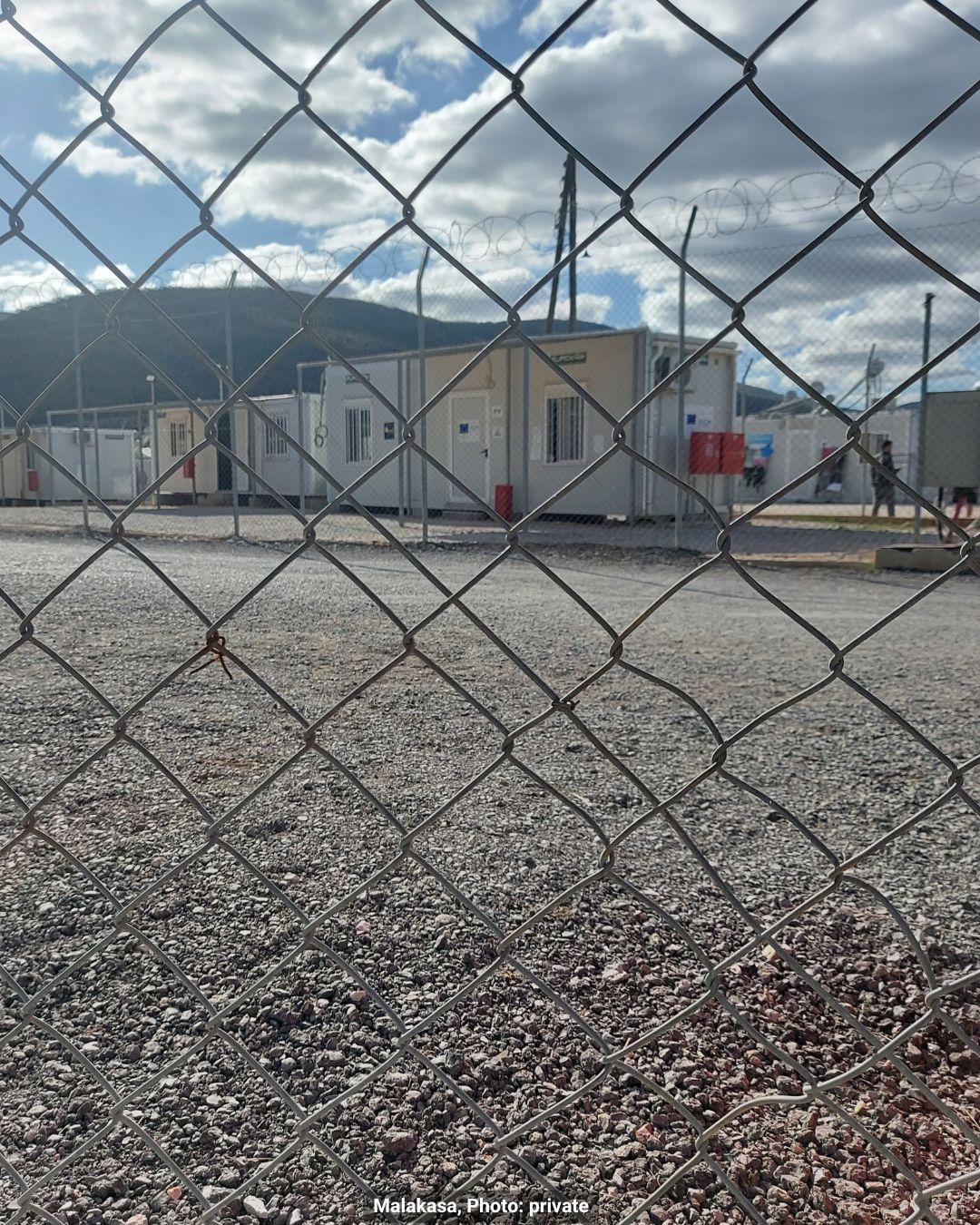
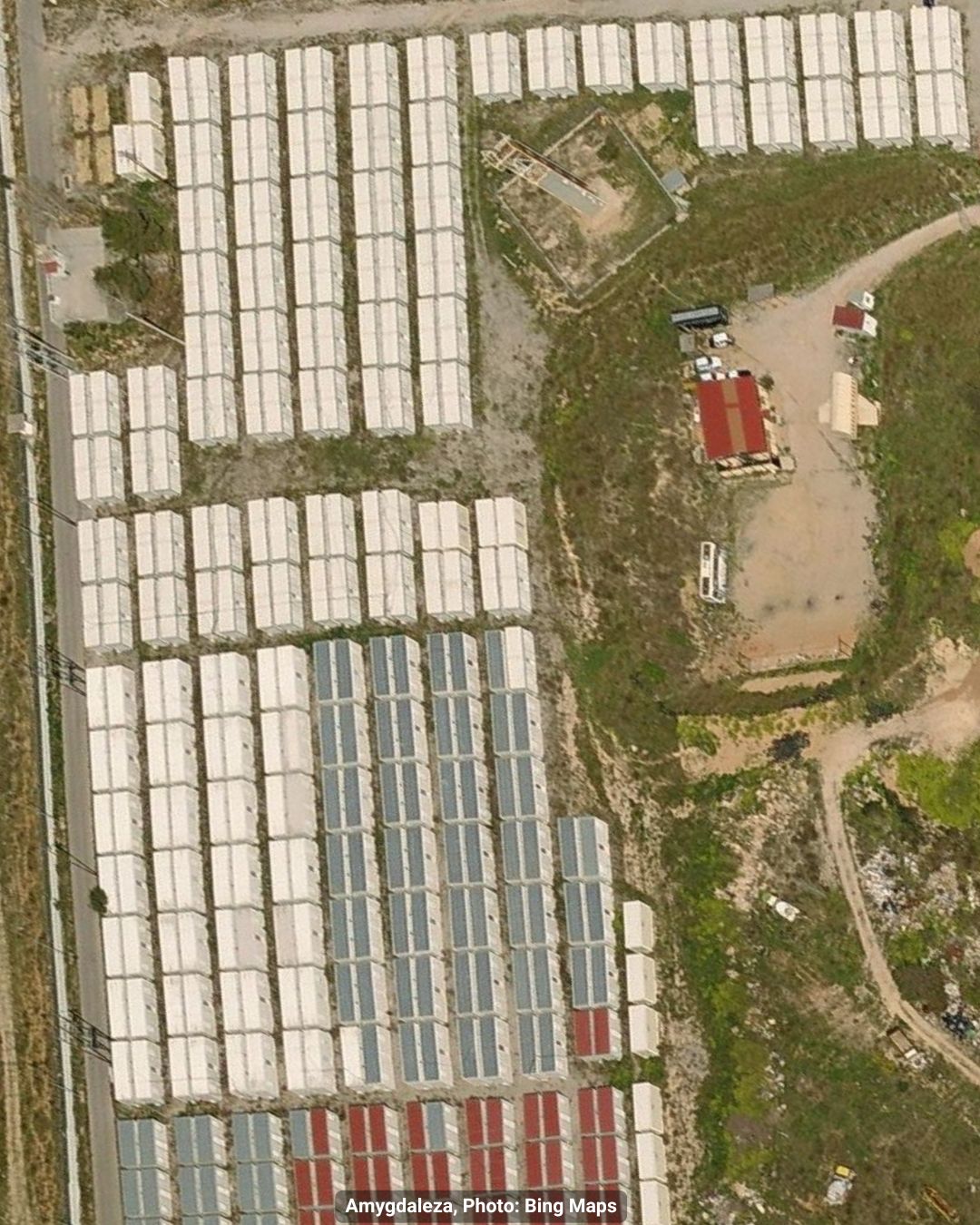
Sara* is a single mother of two young children (aged 6 and 8). The family arrived in Attica and attempted to book an appointment via the designated online platform for registration at the Malakasa Reception and Identification Centre (RIC) on 6 July 2026, with the aim of applying for asylum and reuniting with the children's father in another European country. She was not given an appointment, as the platform has been out of operation since 12 June. The following day, they presented themselves at the Malakasa RIC and requested protection but the RIC refused them entry and called the Police. Despite being asylum applicants and in fact appearing before the competent authorities, Sara* and her children ended up getting arrested, in the presence of competent RIC staff, held in inhuman conditions in a police station - with the younger child being ill and transferred to the holding cell from the hospital. They were also brought to a prosecutor to stand trial for “illegal stay”, a criminal offence punishable by a non-suspensive imprisonment sentence of two years since September 2025. The family was subsequently placed in detention in the Amygdaleza Pre-Removal Detention Centre (PRDC) and a deportation order was issued against them, even though they had already applied for asylum and despite our repeated interventions before all authorities involved. In Sara*'s case, a complaint was lodged with the Reception and Identification Service (RIS) and the Greek Ombudsman, together with an appeal against the return decision. Two days after the appeal was lodged, the family was transferred by the Police to the Malakasa RIC.
- 6 July 2026Attempt to book a registration appointment at the Malakasa RIC via the platform - no appointment given.
- The following dayThey request protection at the Malakasa RIC; the RIC refuses them entry and calls the Police - arrest.
- SubsequentlyHeld in inhuman conditions in a police station; brought to a prosecutor to stand trial for “illegal stay”.
- SubsequentlyDetention in the Amygdaleza PRDC - a deportation order is issued, even though they had already applied for asylum.
- RSA interventionComplaint lodged with the RIS and the Greek Ombudsman; appeal against the return decision.
- Two days after the appealThe family is transferred by the Police to the Malakasa RIC.
“The explicit refusal by the Management of the Malakasa RIC to register an asylum seeker and her children, and the subsequent calling of the police authorities by the Malakasa RIC, which led to their arrest for the criminal offence of illegal stay and to the issuing of an administrative return decision and to their detention by the police authorities - under appalling conditions, no less - constitutes unlawful treatment that flagrantly violates Greek, EU and international law, puts people at risk and offends human dignity. This is not an isolated incident. The establishment of such practices, as well as the circumvention of indisputable human rights in the context of the implementation of the New Pact, are unlawful and are not tolerable in a democratic state.”Marianna Tzeferakou - Lawyer, RSA
Laura* and James*: detained and unregistered for almost a month
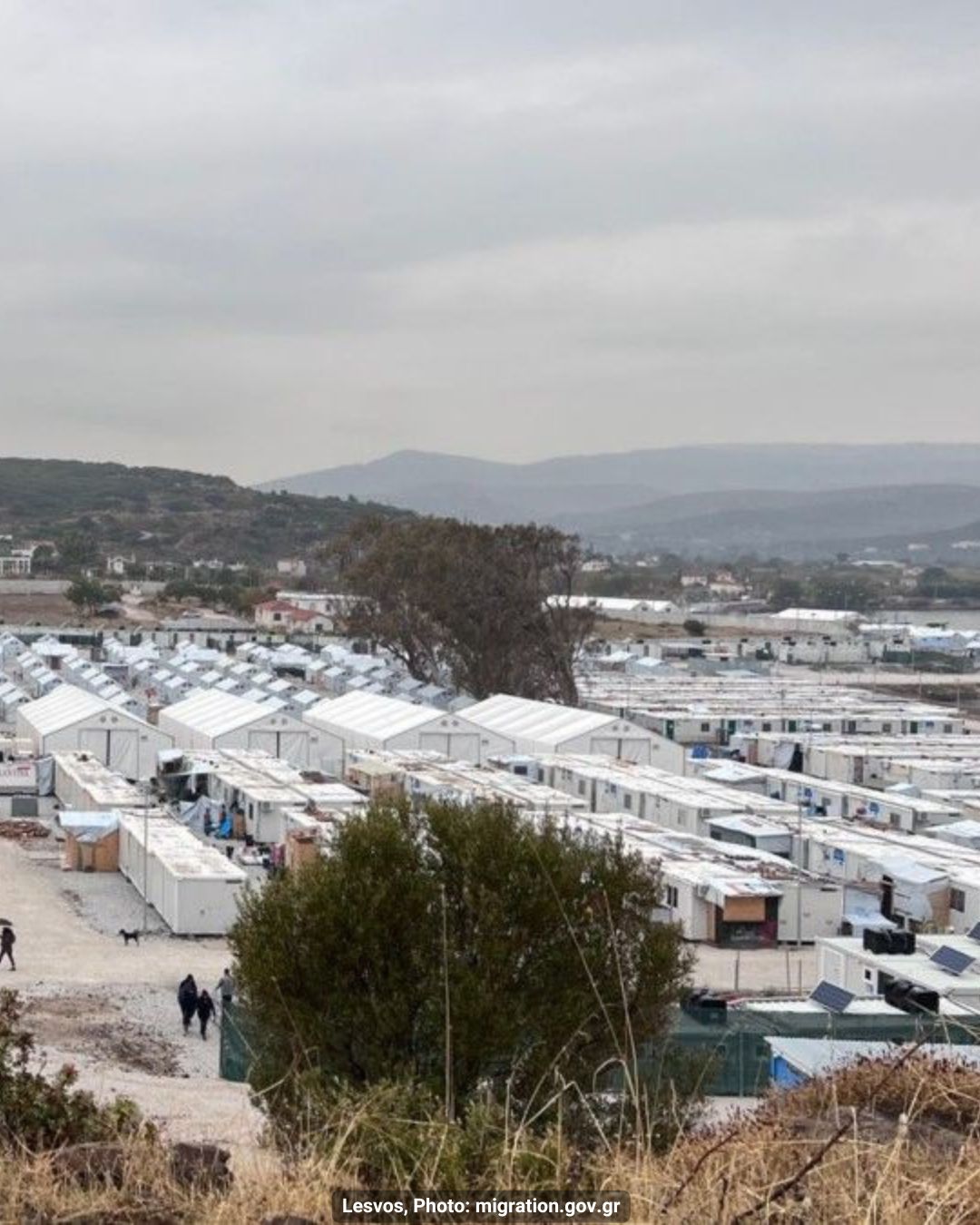
Laura*, a woman in advanced pregnancy, arrived with her partner James* on Lesvos on 12 June 2026. They were transferred by the authorities to the Lesvos Closed Controlled Access Centre (CCAC) to undergo “screening” and asylum procedures. They remained detained and unregistered there for almost a month, without any documents and without any information on their status. We received no reply to the relevant requests we submitted to the RIS regarding their situation, while the couple were unable to leave the camp. On 9 July 2026, we filed objections before the Mytilene Administrative Court to end their arbitrary detention. One day later, after the Administration had been informed of the objections and before the court issued its ruling, the couple were registered and issued with asylum seeker cards.
- 12 June 2026Arrival on Lesvos - transfer to the Lesvos CCAC to undergo “screening” and asylum procedures.
- Almost a monthDetained and unregistered, without any documents and without any information on their status.
- RSA interventionRequests submitted to the RIS regarding their situation - no reply.
- 9 July 2026Objections filed before the Mytilene Administrative Court to end their arbitrary detention.
- One day laterBefore the court issues its ruling, the couple are registered and issued with asylum seeker cards.
Access to asylum, an end to detention, respect for rights
The issues we raise here, drawing on the two cases above, have already been brought to the attention of the Greek authorities and EU institutions since early July 2026, without any response. RSA has expressed its opposition to the New Pact and its strong reservations regarding the Greek implementation law, pointing out that it violates international conventions on fundamental human rights. We urge for safeguarding asylum guarantees, primarily access to asylum, and for an end to the detention of asylum seekers and compliance with the law and human rights. We call for respect for every person's rights to life, liberty and dignity, without discrimination, as enshrined in international law and the Constitution. These are undermined by the New Pact and its implementation law in Greece.


