Asylum procedure statistics in Greece: first half 2026
Three out of five asylum claims granted
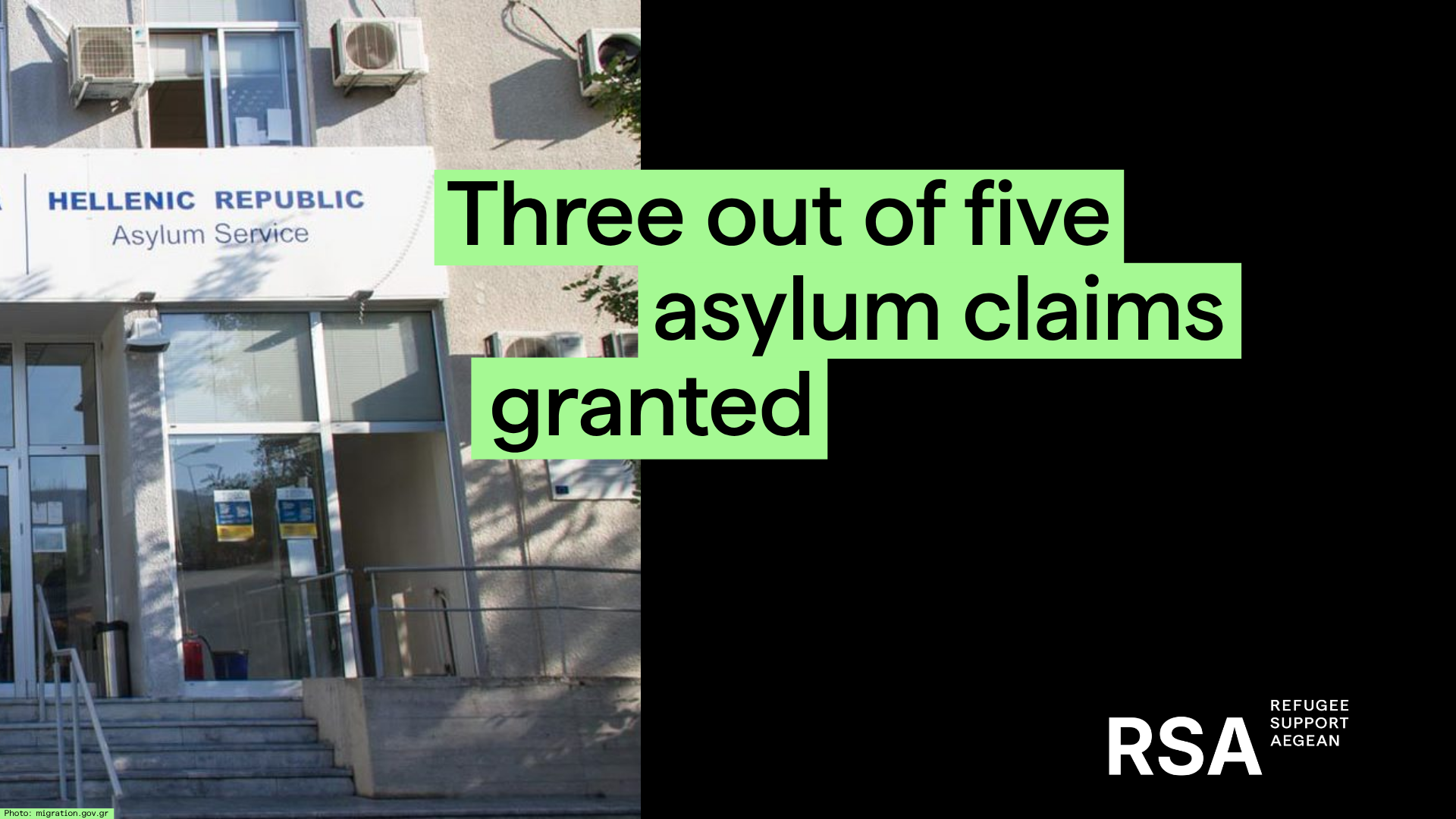
The majority, specifically more than ⁵⁄₅ of people seeking asylum in the country, are refugees and are indeed granted international protection at first instance in Greece, according to the analysis of the main developments and trends in the asylum procedure for the first half of 2026 that we release today.
This analysis is based on statistical data published monthly by the Ministry of Migration and Asylum, together with data supplied in response to parliamentary questions.
This forms part of RSA's ongoing documentation of asylum statistics (see for 2025) and aims to strengthen transparency in the public debate on refugee protection and on the workings of asylum procedures, particularly in light of the structural changes brought about since mid-June 2026 by the New Pact on Migration and Asylum and by its implementing act in Greece.
- According to the data, a total of 16,196 16,196 arrivals were recorded in the first half of 2026,
- while 8,677 of them concerned arrivals via the Central Mediterranean.
According to the data, a total of 16,196 arrivals were recorded in the first half of 2026, most of which (8,677) concerned arrivals via the Central Mediterranean. Crete is now the main point of entry into Greece.
The Asylum Service and the RIS registered a total of 21,101 initial asylum applications in the first half of 2026. The main countries of origin of asylum seekers included Bangladesh, Afghanistan and Sudan.
The Asylum Service took 18,675 first instance decisions on the merits of asylum applications. More than ³⁄₅ of applications examined on the merits were granted, with the overall first instance recognition rate standing at 60.6%, despite the drop compared to 70.6% in 2025 and 79% in 2024.
Recognition rates remained extremely high for many of the main countries of origin, including 100% for Yemen, 99.9% for Sudan, 97.4% for Palestine and 96% for Afghanistan, while a significant drop occurred in the recognition rate for Syria, from 91% in 2025 to 66%. Conversely, the recognition rate remained close to zero for countries designated as “safe countries of origin”, such as Egypt (0.5%), Bangladesh (0.3%) and Pakistan (1.8%), where most applications were rejected in the accelerated procedure as manifestly unfounded.
We note here that recognition rates in the asylum procedure reflect the probability of determining that a person requesting international protection is in fact entitled to it, and must therefore be calculated based on decisions on the merits of asylum applications, i.e. those which decide whether or not the conditions for refugee status or subsidiary protection are met. In this regard, we note that the 39% rate recently cited in an interview by the Minister of Migration and Asylum, Thanos Plevris (as opposed to a 72% rate for 2024, per his statement), does not correspond to any of the official statistics released by the Ministry itself. This inconsistency highlights the importance of applying the correct methodology when presenting and interpreting recognition rates.
As regards the second instance procedure, 7,464 appeals were lodged with the Appeals Authority against Asylum Service decisions in the first half of 2026. The data point to an overall recognition rate of 9.7% at second instance for the first half of the year, a slight increase from 8.5% in 2025.
Detailed statistics and graphs on the asylum procedure are available in the note below.


